

Best Practices for Connecting a Vacuum Feeder to a Flour Sifter in Food Processing Applications
Post Date: 2026-06-30
Designing an Efficient Powder Handling System for Food Manufacturing
In food processing facilities, the performance of a production line depends not only on individual machines but also on how effectively they work together. A Vacuum Feeder and a flour sifter are often integrated to create a continuous process for conveying and screening powdered materials such as wheat flour, starch, sugar, milk powder, and baking ingredients.
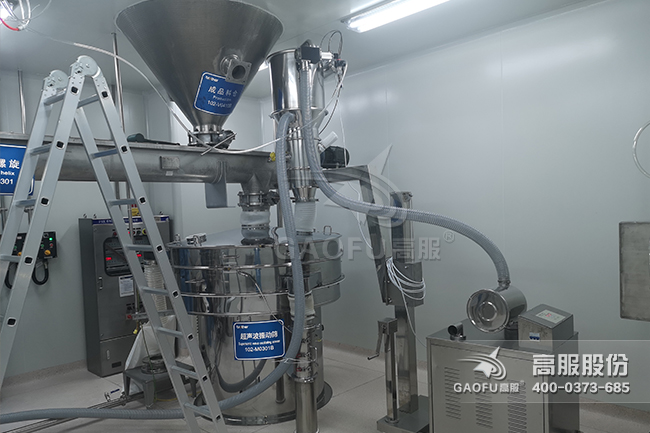
A well-designed connection between these two pieces of equipment can support stable material flow, simplify production operations, and improve overall process coordination. This article outlines practical considerations for integrating a Vacuum Feeder with a flour sifter in food processing applications.
At Gaofu Machinery, we provide customized conveying and screening solutions designed to match the production requirements of food manufacturers worldwide.
Why Integrate a Vacuum Feeder with a Flour Sifter?
A Vacuum Feeder transports powdered or granular materials through enclosed pipelines using negative pressure. A flour sifter screens the material to remove oversized particles, agglomerates, or foreign matter before it enters downstream processing.
When these systems are connected, manufacturers can establish a streamlined workflow that typically includes:
- Raw material storage
- Enclosed powder conveying
- Controlled material feeding
- Precision screening
- Mixing, packaging, or further processing
Proper integration helps ensure that each stage of the production line operates in coordination with the next.
Best Practice 1: Understand Your Material Characteristics
Before selecting equipment or designing the connection, evaluate the properties of the material being processed.
Key characteristics include:
- Particle size distribution
- Bulk density
- Moisture content
- Flowability
- Cohesiveness
- Abrasiveness
These properties influence conveying performance, discharge behavior, and screening efficiency. Materials with poor flow characteristics may require additional flow-assist devices or modified hopper designs.
Best Practice 2: Match Conveying Capacity with Screening Capacity
The conveying capacity of the Vacuum Feeder should be compatible with the processing capacity of the flour sifter.
If material enters the sifter faster than it can be processed, accumulation at the inlet may occur. Conversely, insufficient feeding may reduce equipment utilization.
A balanced design helps maintain a steady material supply and supports consistent screening conditions.
Best Practice 3: Use a Buffer Hopper When Appropriate
In many applications, installing a buffer hopper between the Vacuum Feeder and the flour sifter can help regulate material flow.
A buffer hopper may:
- Stabilize the feed rate
- Reduce fluctuations during conveying cycles
- Provide temporary material storage
- Support continuous operation during short conveying pauses
The need for a buffer hopper depends on production requirements and system configuration.
Best Practice 4: Design an Efficient Pipeline Layout
Pipeline design has a direct influence on conveying performance.
Consider the following:
- Keep conveying distances as practical as possible.
- Minimize unnecessary bends and direction changes.
- Select appropriate pipe diameters based on material characteristics and capacity.
- Ensure secure, sealed connections throughout the system.
Careful pipeline planning can support efficient powder transfer and simplify maintenance.
Best Practice 5: Maintain Enclosed Material Transfer
One advantage of a Vacuum Feeder is its enclosed conveying process. Maintaining sealed connections between the feeder, pipeline, and flour sifter helps reduce material exposure during transfer.
Depending on the application, enclosed conveying may also contribute to cleaner production areas and improved housekeeping.
Best Practice 6: Select Food-Appropriate Materials and Finishes
For food processing applications, equipment should be configured according to the facility's hygiene requirements.
Common considerations include:
- Stainless steel product-contact components
- Food-grade sealing materials
- Smooth internal surfaces
- Easy-to-clean construction
- Quick-release clamps for maintenance
Specific material selections should align with applicable food safety regulations and customer requirements.
Best Practice 7: Integrate Automation and Monitoring
Automation can help coordinate the operation of the Vacuum Feeder and flour sifter.
Useful features may include:
- PLC-based control systems
- Material level sensors
- Automatic conveying cycles
- Alarm functions
- Communication with upstream and downstream equipment
The appropriate automation level depends on the complexity of the production line.
Best Practice 8: Plan for Routine Maintenance
Equipment should be installed with sufficient space for inspection, cleaning, and servicing.
Maintenance considerations include:
- Filter replacement
- Pipeline inspection
- Seal checks
- Hopper cleaning
- Screen mesh replacement
- Routine performance verification
Following the manufacturer's maintenance recommendations can help support reliable equipment operation over time.
Typical Applications
A Vacuum Feeder connected to a flour sifter is suitable for handling a variety of powdered food products, including:
- Wheat flour
- Rice flour
- Corn flour
- Starch
- Sugar powder
- Milk powder
- Cocoa powder
- Protein powder
- Baking premixes
- Food additives
- Seasoning powders
Equipment selection and configuration should be based on the characteristics of the material and the requirements of the production process.
Why Choose Gaofu Machinery?
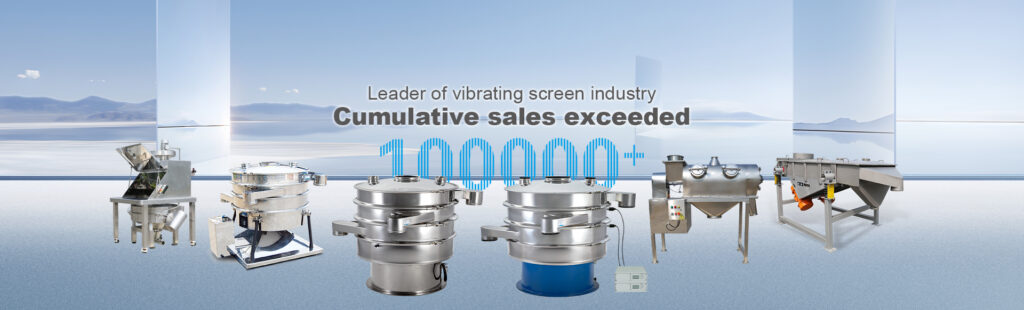
For more than 40 years, Gaofu Machinery has specialized in powder conveying and screening equipment for food, chemical, pharmaceutical, mining, and new material industries.
Our Capabilities
- Vacuum Feeders for enclosed powder conveying
- Flour sifters for precision screening
- Integrated feeding, conveying, and screening systems
- Customized engineering design and technical support
Company Strengths
- 40+ years of industry experience
- 60,000㎡ production base
- 500+ patent applications
- Exported to more than 100 countries and regions
- Serving over 10,000 global customers
Our engineering team works closely with customers to understand material properties, production capacity, and facility layouts, enabling us to recommend solutions tailored to specific operational needs.
Conclusion
Connecting a Vacuum Feeder to a flour sifter requires careful planning and attention to material characteristics, conveying capacity, hygiene requirements, and equipment compatibility. By following sound engineering practices, manufacturers can build an integrated powder handling system that supports stable material flow and efficient screening.
If you are planning a new food processing line or upgrading an existing facility, Gaofu Machinery can provide customized Vacuum Feeder and flour sifter solutions designed to meet your production objectives and application requirements.