

Choosing the Right Feeding System for a Flour Sieving Machine in Food Manufacturing Applications
Post Date: 2026-07-21
Introduction
In food manufacturing, efficient powder handling is an important part of maintaining a coordinated production process. While a flour sieving machine is responsible for particle classification and impurity removal according to process requirements, the upstream feeding method also plays a significant role in overall production efficiency. A properly selected Feeding System helps ensure that powders are delivered to the screening equipment at an appropriate rate, supporting continuous operation and organized material flow.
Food powders such as wheat flour, rice flour, starch, sugar powder, milk powder, cocoa powder, protein powder, and premixed ingredients often require multiple processing stages before packaging. During these stages, the feeding system acts as the connection between raw material receiving, conveying, screening, mixing, storage, and packaging. Selecting a feeding solution that matches the production process can help improve equipment coordination and reduce unnecessary manual handling.
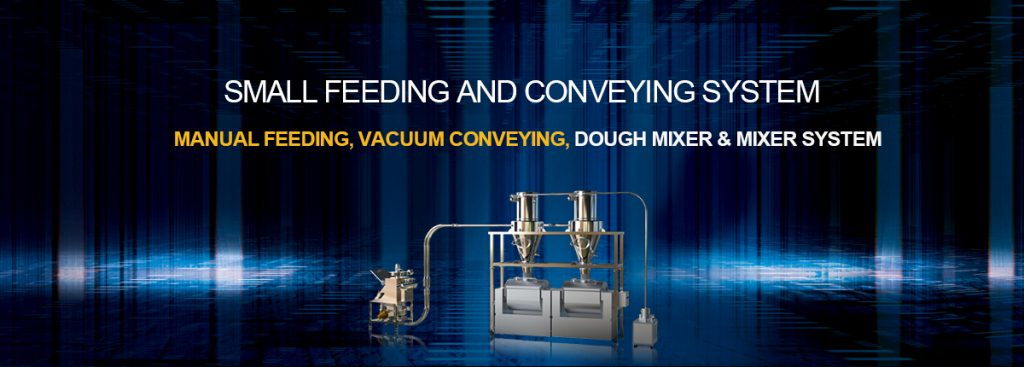
The Gaofu Feeding System is designed for handling powders and fine granular materials in food processing applications. It can be integrated with Big Bag Feeding Stations, bag dump stations, vacuum feeders, flour sieving machines, mixers, storage silos, and packaging systems. This article explores the key factors to consider when choosing the right feeding system for a flour sieving machine in food manufacturing applications.
Why Feeding Systems Matter in Flour Processing
A flour processing line usually involves several interconnected stages.
A typical workflow may include:
Raw Material Receiving → Feeding System → Vacuum Conveying → Flour Sieving Machine → Mixing → Storage → Packaging
Each stage performs a specific function:
- Receiving raw materials
- Metering material flow
- Conveying powders
- Screening particles
- Mixing ingredients
- Temporary storage
- Final packaging
The feeding system is responsible for supplying materials to downstream equipment in a controlled and coordinated manner.
Understanding the Role of a Feeding System
A Feeding System is designed to receive, transfer, and regulate the flow of powders or fine granular materials.
Depending on the application, a feeding system may include:
- Receiving hopper
- Feeding mechanism
- Screw conveyor or metering device
- Dust collection interface
- Sensors and control components
- Support structure
The final design depends on the processed material, production capacity, automation requirements, and equipment layout.
Why Feeding System Selection Is Important
A flour sieving machine performs more effectively when materials are supplied consistently and according to the requirements of the screening process.
Selecting an appropriate feeding system may help:
- Coordinate upstream and downstream equipment
- Support continuous powder processing
- Reduce interruptions caused by inconsistent feeding
- Improve production workflow organization
- Facilitate automated material handling
Overall production performance depends on material properties, equipment selection, operating conditions, and maintenance practices.
Key Factors to Consider When Selecting a Feeding System
1. Material Characteristics
Different powders behave differently during feeding and conveying.
Before selecting equipment, evaluate:
- Particle size
- Bulk density
- Moisture content
- Flowability
- Cohesion
- Abrasiveness
- Tendency to form agglomerates
These characteristics influence feeder design, discharge performance, and equipment configuration.
2. Production Capacity
The feeding system should match the processing requirements of the flour sieving machine and downstream equipment.
Consider:
- Hourly production volume
- Batch or continuous production
- Screening capacity
- Mixing capacity
- Packaging speed
- Future production expansion plans
Balanced capacities support coordinated operation throughout the production line.
3. Feeding Method
Different production environments may require different feeding solutions.
Common options include:
Manual Bag Feeding
Suitable for smaller production volumes or multiple product changes.
Big Bag Feeding
Often used for bulk powder handling and larger production capacities.
Automated Feeding Systems
Designed to integrate with conveying and screening equipment for continuous processing.
The most suitable option depends on production objectives and plant layout.
4. Automation Requirements
Manufacturers should determine the desired level of automation.
Automated systems may help:
- Reduce repeated manual handling
- Coordinate multiple processing stages
- Improve material transfer consistency
- Integrate with conveying and packaging equipment
Automation requirements vary depending on production scale and operational needs.
5. Hygiene and Cleaning Requirements
Food processing equipment is commonly selected with sanitation procedures in mind.
Manufacturers may consider:
- Stainless steel product-contact components
- Smooth internal surfaces
- Accessible cleaning points
- Enclosed material transfer interfaces
Cleaning procedures should follow equipment manufacturer recommendations and applicable food safety regulations.
6. Dust Management
Fine food powders may generate airborne dust during handling.
Depending on the system design, feeding equipment can be integrated with:
- Enclosed conveying systems
- Dust collection interfaces
- Vacuum conveying equipment
- Sealed transfer points
Dust control performance depends on the complete production system and facility operating conditions.
7. Factory Layout and Available Space
Before selecting a feeding system, review:
- Floor space
- Equipment arrangement
- Material flow direction
- Maintenance access
- Future expansion requirements
Proper planning can simplify installation and future equipment upgrades.
8. Maintenance Requirements
Routine maintenance is an important part of long-term equipment operation.
Typical maintenance activities may include:
- Cleaning product-contact components
- Inspecting seals and fasteners
- Checking feeding mechanisms
- Verifying sensor operation
- Reviewing control systems
Maintenance schedules should be established according to operating conditions and manufacturer recommendations.
Integrating the Feeding System with a Flour Sieving Machine
The Gaofu Feeding System can be integrated with:
- Big Bag Feeding Stations
- Bag Dump Stations
- Vacuum Feeders
- Flour sieving machines
- Mixers
- Storage silos
- Packaging systems
This integration supports coordinated material flow throughout the production process and allows manufacturers to configure systems according to their operational requirements.
Features of the Gaofu Feeding System
The Gaofu Feeding System is designed for controlled handling of powders and fine granular materials.
Controlled Material Feeding
Designed to transfer materials according to production requirements and process conditions.
Flexible Equipment Integration
Compatible with:
- Big Bag Feeding Stations
- Bag Dump Stations
- Vacuum Feeders
- Flour sieving machines
- Mixers
- Storage silos
- Packaging equipment
Stainless Steel Product-Contact Components
Food-contact parts can be manufactured using stainless steel materials suitable for food processing applications.
Modular Design
The system can be configured according to:
- Material characteristics
- Production capacity
- Installation conditions
- Process requirements
Automation Compatibility
Suitable for integration into automated powder processing systems.
Equipment specifications and optional configurations may vary according to customer requirements.
Typical Applications
The Gaofu Feeding System is suitable for handling a variety of powders and fine granular materials.
Flour Processing
- Wheat flour
- Rice flour
- Corn flour
- Whole wheat flour
- Flour blends
Starch Processing
- Corn starch
- Potato starch
- Tapioca starch
- Rice starch
Dairy Ingredients
- Milk powder
- Whey powder
- Protein powder
Baking Ingredients
- Sugar powder
- Cocoa powder
- Salt
- Baking premixes
- Food additives
Beverage Powders
- Coffee powder
- Tea powder
- Nutritional powders
- Instant beverage powders
Application suitability depends on material characteristics, production requirements, and equipment configuration.
Food Industry Client Testimonials
Nestlé, CP Group, Haitian Flavour & Fragrance, Yihai Kerry, Yili, Mengniu,Shuanghui, Wahaha, Master Kong, Want Want, Anjoy Foods, Angel Yeast,Yangyuan Foods, Uni-President Enterprises, Qiaqia Food, Luhua Group,Alpenliebe, Golden Monkey, Orion, Xizhilang,Sanquan Foods, Synear Food, Oishi, Wong Lo Kat, Yanjing Beer, Seamild,Jinpai, Chubang, Hengshun Vinegar Industry, Longda Group, Beijing Daoxiangcun, Anhe Dairy,Weiwei Group, Xiangpiaopiao, Maiquer, Tianbing, Binqi Food, Ligao Okun
About Gaofu
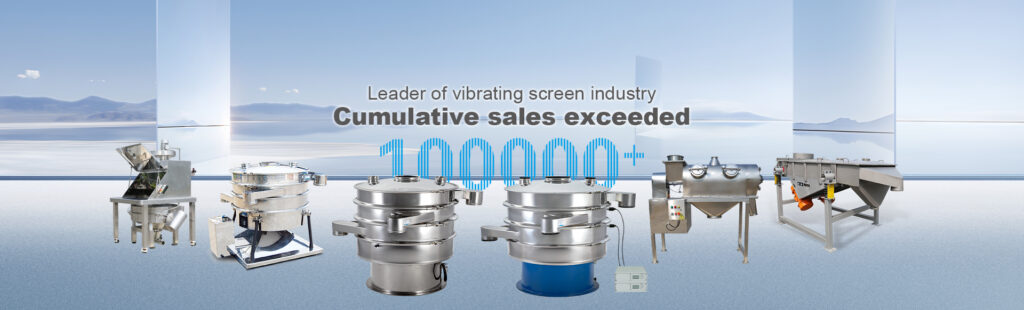
Originated in the 1980s, Xinxiang Gaofu Machinery Co., Ltd. has developed into a leading enterprise after more than 40 years of steady development. The company holds authoritative national qualifications including National-level Specialized, Refined, Unique and Innovative Little Giant Enterprise, National Green Factory, National High-tech Enterprise, and National Intellectual Property Advantage Enterprise, and acts as the President Unit of the Vibration Industry Association.
It has established three provincial and municipal R&D platforms: Henan Provincial Industrial Design Center, Henan Provincial Engineering Technology Research Center for Intelligent On-line Screening System, and Xinxiang Municipal Fine Screening Engineering Technology Research Center. Up to now, Gaofu has obtained more than 500 patents covering invention, utility model and design. It has been awarded the Science and Technology Achievement Prize by the Ministry of Industry and Information Technology of China and has participated in drafting and formulating 4 national standards.
Gaofu’s product portfolio covers multiple series and hundreds of specifications, mainly including vibrating screening equipment, conveying equipment and intelligent automatic material handling systems. We provide one-stop overall solutions such as automatic feeding systems, powder supply systems, pneumatic conveying systems, metering and weighing systems, batching systems, micro-ingredient batching systems, water supply systems, oil supply systems, fluid conveying systems, central kitchen powder supply systems, powder conveying systems and feeding systems.
In terms of food production lines, our mature supporting systems cover two major categories: baking production lines and pasta production lines. The baking series includes production lines for bread, cake, crisp cake, croissant, toast, pizza, biscuit and hamburger. The pasta series includes intelligent production lines for steamed buns, stuffed buns, twisted rolls, sesame paste cakes, steamed dumplings, boiled dumplings, fried dough sticks and pies.
Gaofu products sell well across Greater China and are exported to more than 100 countries and regions worldwide, including Russia, Canada, the United States, New Zealand, Japan, Brazil and South Africa. Widely applied in food, pharmaceutical, chemical, metallurgical, building materials, mining, thermal power, environmental protection and other industries, our products have won the trust and recognition of over 10,000 global customers.
Adhering to the corporate mission of improving material quality and efficiency to meet customer needs, Gaofu has long-term stable cooperative relationships with global clients to achieve harmonious and win-win development. At present, Gaofu has become an official qualified supplier of many Fortune Global 500 enterprises, including CNPC, Sinopec, Sinochem Group, China Resources Group, Sinopharm Group, COFCO, China National Building Material, China Aerospace and Jinchuan Group.