

Flour Sieving Machine Maintenance Tips to Help Maintain Stable Screening Performance
Post Date: 2026-07-08
Why Regular Maintenance Matters in Flour Processing
A flour sieving machine is an essential part of many food processing lines, helping prepare powders before mixing, packaging, or additional production steps. Whether screening wheat flour, rice flour, corn flour, starch, milk powder, sugar powder, cocoa powder, or other fine ingredients, consistent equipment performance depends not only on proper machine selection but also on routine maintenance.
The Rotary Vibrating Sieve is widely used in food processing because of its flexible screening configurations, compact structure, and compatibility with automated powder handling systems. Like any industrial equipment, it performs best when inspected, cleaned, and maintained according to the manufacturer's recommendations.
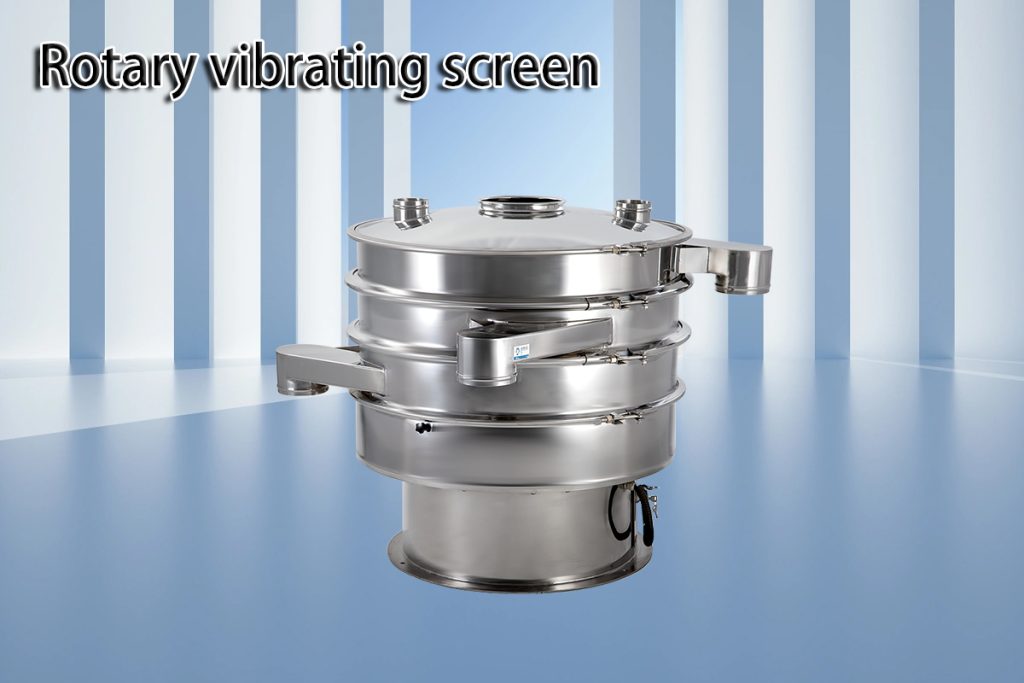
At Gaofu Machinery, we support customers with customized screening solutions and practical maintenance guidance to help keep equipment operating efficiently throughout its service life.
Understanding the Rotary Vibrating Sieve
A Rotary Vibrating Sieve uses a vertical vibration motor with adjustable eccentric weights to generate three-dimensional vibration. This motion allows powdered materials to spread evenly across the screen surface while being separated according to the selected mesh size.
A typical machine consists of:
- Feed inlet
- Stainless steel screen frame
- Precision screen mesh
- Vertical vibration motor
- Upper and lower eccentric weights
- Discharge outlet(s)
- Dust cover
- Machine base
Routine inspection of these components helps maintain stable screening performance over time.
Benefits of Preventive Maintenance
Establishing a regular maintenance program may help:
- Support consistent material flow
- Reduce unexpected equipment downtime
- Maintain screening accuracy within the selected process parameters
- Extend the service life of wear components
- Improve cleaning efficiency between production batches
- Support hygienic production practices
Actual maintenance intervals should be determined according to production schedules, material characteristics, and the equipment manufacturer's recommendations.
Maintenance Tips for a Flour Sieving Machine
1. Inspect the Screen Mesh Regularly
The screen mesh is one of the most important components of a flour sieving machine.
During routine inspections, check for:
- Wear
- Tears
- Deformation
- Loose screen tension
- Material blockage
A damaged or worn mesh may affect particle classification and should be replaced when necessary.
2. Clean the Equipment After Production
Food processing equipment should be cleaned according to plant sanitation procedures.
Pay attention to:
- Screen surfaces
- Feed inlet
- Discharge outlets
- Internal contact surfaces
- Sealing areas
Cleaning frequency depends on the product being processed and the facility's hygiene requirements.
3. Check the Vibration Motor
The vibration motor provides the motion required for material separation.
Routine inspections may include:
- Fastener tightness
- Electrical connections
- Operating temperature
- Unusual noise or vibration
- Bearing condition
Any abnormal operating condition should be investigated according to the manufacturer's service recommendations.
4. Inspect Seals and Clamps
Proper sealing helps maintain the integrity of the screening chamber.
Inspect:
- Rubber seals
- Food-grade gaskets
- Quick-release clamps
- Cover locking mechanisms
Replace worn sealing components as needed to maintain equipment performance.
5. Tighten Mechanical Fasteners
Continuous vibration can gradually loosen bolts and fasteners.
Regularly inspect:
- Screen frame connections
- Motor mounting bolts
- Base fasteners
- Support structures
Following the recommended tightening procedures helps maintain equipment stability.
6. Monitor Material Feeding
Stable feeding contributes to consistent screening.
If the production line includes:
- Feeding systems
- Vacuum conveying systems
- Bulk bag feeding stations
- Storage hoppers
Inspect these systems regularly to ensure they deliver material evenly to the flour sieving machine.
7. Lubricate Components When Required
Some mechanical components require periodic lubrication.
Always:
- Follow the lubrication schedule provided by the manufacturer
- Use recommended lubricants
- Avoid over-lubrication
- Prevent lubricant contamination of food-contact areas
Maintenance should comply with applicable food safety procedures.
8. Keep Maintenance Records
Recording maintenance activities helps operators monitor equipment condition over time.
Maintenance records may include:
- Inspection dates
- Screen replacements
- Motor servicing
- Bearing maintenance
- Cleaning schedules
- Replacement of wear parts
Documented maintenance supports preventive maintenance planning.
Common Operating Issues and Inspection Suggestions
Reduced Screening Efficiency
Possible inspection points include:
- Screen mesh condition
- Material feed rate
- Mesh blockage
- Incorrect mesh selection
- Material moisture content
The cause should be evaluated based on the production process and operating conditions.
Uneven Material Distribution
Check:
- Feed consistency
- Feeder operation
- Screen installation
- Machine leveling
Proper equipment setup helps maintain balanced material movement.
Excessive Vibration or Noise
Inspect:
- Motor fasteners
- Bearings
- Base stability
- Eccentric weight adjustment
Any unusual operating conditions should be addressed promptly to prevent additional wear.
Hygiene Considerations
Food processing facilities typically require equipment that supports effective sanitation.
Many Rotary Vibrating Sieves include:
- Stainless steel product-contact surfaces
- Food-grade sealing materials
- Smooth internal finishes
- Fully enclosed screening chambers
- Quick-release screen assemblies
These features can simplify routine cleaning when used as part of the facility's established sanitation procedures.
Typical Applications
Rotary Vibrating Sieves are suitable for screening a wide variety of powdered food materials, including:
- Wheat flour
- Rice flour
- Corn flour
- Oat flour
- Potato starch
- Corn starch
- Sugar powder
- Milk powder
- Protein powder
- Cocoa powder
- Coffee powder
- Baking premixes
- Food additives
- Spice powders
Maintenance schedules should be adjusted according to the specific material and production environment.
Why Choose Gaofu Machinery?
Gaofu Machinery has specialized in vibrating screening and powder handling technology for more than 40 years, supplying customized equipment solutions for customers in food, pharmaceutical, chemical, mining, and new materials industries.

Our Product Portfolio
- Rotary Vibrating Sieves
- Airflow Sieves
- Linear Vibrating Screens
- Ultrasonic Vibrating Screens
- Tumbler Screening Machines
- Feeding Systems
- Vacuum Conveying Systems
- Bulk Bag Feeding Stations
- Complete Powder Handling Solutions
Company Strengths
- More than 40 years of industry experience
- 60,000㎡ manufacturing base
- More than 500 patent applications
- Products exported to over 100 countries and regions
- Serving more than 10,000 customers worldwide
Our engineering team provides equipment recommendations, technical support, and customized screening solutions based on each customer's production requirements and material characteristics.
Conclusion
Routine maintenance is an important part of keeping a flour sieving machine operating reliably. Regular inspection of the screen mesh, vibration motor, seals, fasteners, and feeding equipment, together with proper cleaning and preventive maintenance, can help maintain stable screening performance and support efficient powder processing.
The Rotary Vibrating Sieve is designed for a wide range of food powder applications and can be integrated with feeding, conveying, mixing, and packaging systems. With appropriate equipment selection, correct operation, and a planned maintenance program, manufacturers can support consistent screening performance while meeting the hygiene and production requirements of modern food processing facilities.
Gaofu Machinery offers customized Rotary Vibrating Sieve solutions and technical support to help customers build reliable and efficient powder screening systems for diverse processing applications.