

How a Feeding System Improves Material Flow and Supports Efficient Flour Sifter Operations
Post Date: 2026-07-01
Optimizing Powder Handling from Feeding to Screening
In food processing facilities, maintaining a stable flow of powdered materials is an important factor in achieving efficient production. Equipment such as a Feeding System and a flour sifter work together to ensure that raw materials move smoothly through each stage of the manufacturing process.
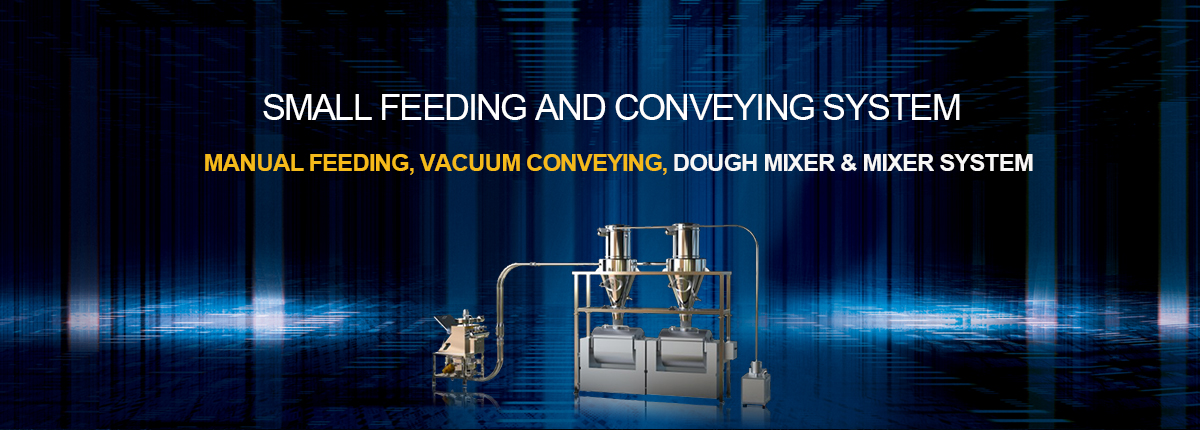
Whether processing wheat flour, starch, sugar, milk powder, or other food ingredients, a properly designed feeding system can help deliver materials to the flour sifter at a controlled rate, supporting consistent screening and downstream operations.
At Gaofu Machinery, we provide customized feeding and screening solutions designed to meet the requirements of food, chemical, pharmaceutical, and new material industries.
The Importance of Material Flow in Flour Processing
Before flour reaches the screening stage, it must be transferred from storage equipment, bulk bag unloading stations, or intermediate hoppers. If material flow becomes inconsistent, production may experience:
- Uneven feeding to the flour sifter
- Material accumulation at the equipment inlet
- Temporary interruptions in production
- Additional manual adjustments
- Reduced coordination between upstream and downstream equipment
A well-designed Feeding System helps establish a controlled material supply that supports continuous production.
What Is a Feeding System?
A Feeding System is designed to transfer powdered or granular materials from a storage point to downstream processing equipment at a controlled rate. Depending on the production process, the system may include:
- Storage hopper
- Feeding hopper
- Vacuum Conveyor
- Control valves
- Sensors and automation controls
- Connection interfaces for conveying or screening equipment
The configuration depends on the material characteristics, production capacity, and overall process requirements.
How a Feeding System Works with a Flour Sifter
In a typical production line, the Feeding System supplies material directly to the flour sifter.
A standard workflow may include:
Step 1: Material Storage
Raw materials are stored in silos, bins, or bulk bags before entering the feeding system.
Step 2: Controlled Feeding
The Feeding System regulates the discharge of material and delivers it at a planned rate.
Step 3: Flour Sifting
The flour sifter screens the material to separate oversized particles, agglomerates, or foreign matter according to the selected mesh specification.
Step 4: Downstream Processing
After screening, the material can move to:
- Mixing systems
- Packaging equipment
- Storage silos
- Batching systems
- Additional production processes
This coordinated process supports efficient material handling throughout the production line.
How a Feeding System Supports Efficient Flour Sifter Operations
Stable Material Supply
Providing a consistent feed rate helps distribute material more evenly across the screening surface, which can support stable sifter operation.
Improved Process Coordination
A Feeding System helps synchronize material transfer with the processing capacity of the flour sifter, reducing the likelihood of overfeeding or underfeeding.
Reduced Manual Handling
Automated or semi-automated feeding systems can reduce the need for manual loading of materials, helping simplify routine production tasks.
Flexible Capacity Adjustment
Many feeding systems allow operators to adjust the feeding rate according to production requirements and material characteristics.
Better Integration with Production Lines
A Feeding System can be connected with upstream storage equipment and downstream processing machinery, creating a more integrated production workflow.
Engineering Considerations
When selecting a Feeding System for a flour sifter application, several factors should be evaluated.
Material Properties
The feeding method should be compatible with:
- Particle size
- Bulk density
- Moisture content
- Flowability
- Cohesiveness
These characteristics influence feeding performance and equipment selection.
Production Capacity
The feeding rate should be matched with the processing capacity of the flour sifter to maintain balanced operation.
Equipment Layout
Available installation space and production flow should be considered when designing the system.
Automation Requirements
Many systems can be equipped with features such as:
- PLC control
- Variable speed adjustment
- Material level sensors
- Automatic start and stop sequences
- Integration with central control systems
The appropriate level of automation depends on the production process.
Maintenance Accessibility
Equipment should be installed with adequate space for:
- Routine inspection
- Cleaning
- Component replacement
- Preventive maintenance
Proper maintenance helps support reliable long-term operation.
Typical Applications
A Feeding System integrated with a flour sifter is suitable for handling a variety of powdered food materials, including:
- Wheat flour
- Rice flour
- Corn flour
- Starch
- Sugar powder
- Milk powder
- Protein powder
- Cocoa powder
- Baking premixes
- Food additives
- Seasoning powders
Equipment selection should be based on material characteristics and application requirements.
Why Choose Gaofu Machinery?
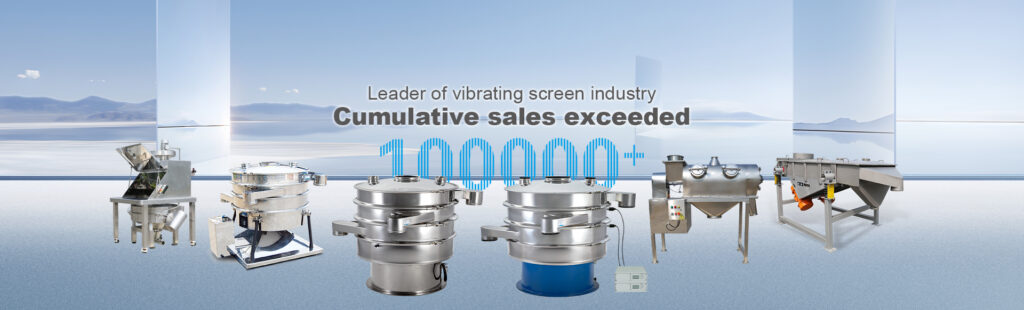
Gaofu Machinery has more than 40 years of experience in screening and powder handling technology. We provide customized equipment and integrated solutions for customers in food processing, pharmaceuticals, chemicals, mining, and new materials.
Our Capabilities
- Feeding systems for controlled material transfer
- Flour sifters for precision screening
- Integrated feeding, conveying, and screening solutions
- Customized engineering design and technical support
Company Strengths
- 40+ years of industry experience
- 60,000㎡ production base
- 500+ patent applications
- Exported to more than 100 countries and regions
- Serving over 10,000 global customers
Our engineering team works closely with customers to understand production objectives, material properties, and plant layouts to recommend solutions tailored to specific operational requirements.
Conclusion
A Feeding System plays an important role in supporting efficient flour sifter operations by delivering materials at a controlled and consistent rate. When properly integrated into a production line, it can help improve material flow, support stable screening conditions, and simplify the connection between storage, screening, and downstream processing.
If you are planning a new powder handling project or upgrading an existing production line, Gaofu Machinery can provide customized Feeding System and flour sifter solutions designed to match your production capacity, material characteristics, and facility layout.