

Inline Pneumatic Screening: Coupling a Centrifugal Sifter into Protein Powder Conveying Systems
Post Date: 2026-10-26
As protein manufacturing facilities scale up to meet surging market demands, plant engineers constantly seek ways to streamline material handling workflows. Moving large volumes of fine powders—such as whey protein concentrates, isolates, and plant-based blends—typically relies on automated pneumatic conveying systems. However, transferring powders through pipelines introduces a critical design challenge: how to remove foreign contaminants and break up transit-induced agglomerates without disrupting the pressure or vacuum integrity of the conveying line.
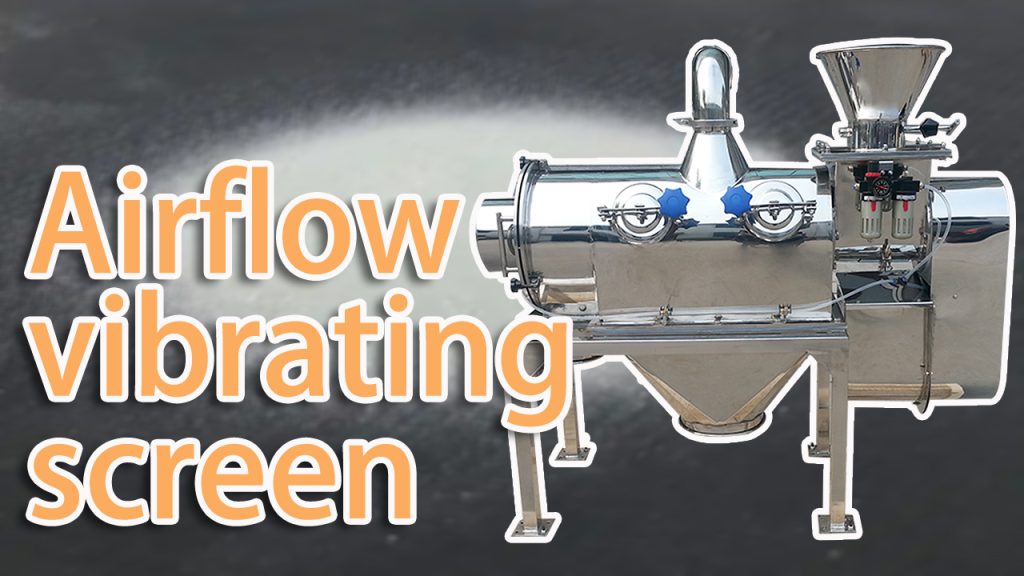
Traditional open-gravity screening setups require breaking the pneumatic loop, discharging material into a surge hopper, and re-feeding it. This adds unnecessary equipment footprint, creates potential dust hazards, and complicates the production line.
The engineered solution is inline pneumatic screening utilizing the Gaofu Machinery Centrifugal Sifter, designed to integrate directly into active pressure or vacuum conveying networks for seamless, closed-loop processing.
The Bottleneck of Traditional Off-Line Screening in Pneumatic Layouts
In a typical high-volume processing facility, protein powders are pneumatically conveyed from mixing or storage silos to packaging stations. Introducing standard screening equipment into these systems often introduces operational friction:
- Breaking Pressure/Vacuum Balance: Standard screeners are atmospheric vessels. Inserting them into a pressurized or vacuum line requires complex airlocks, rotary valves, or vent filters to prevent pressure drops.
- Fugitive Dust Risks: Transferring powder from a pipeline to an open-air or poorly sealed screener risks fine protein dust escaping into the plant environment, raising housekeeping and allergen-control challenges.
- Footprint and Headroom Limitations: Adding intermediate holding tanks and gravity drop chutes demands extra vertical clearance, limiting where equipment can be retrofitted.
How Inline Pneumatic Centrifugal Sifting Works
Gaofu Machinery’s Centrifugal Sifter can be engineered specifically for inline pipeline integration. Instead of dumping powder out of the air stream, the entire pneumatic conveying line feeds directly into the sifter housing.
[Incoming Pneumatic Line (Pressure/Vacuum)]
       ---> [Sealed Sifter Inlet]
       ---> [High-Velocity Rotor & Screen Cylinder]
       ---> [Filtered Powder Returned to Pneumatic Line / Discharge]
       ---> [Oversize Contaminants Diverted to Inspection Port]
- Direct Pipeline Coupling: The powder-laden air or gas stream enters the sealed inlet of the centrifugal sifter directly from the conveying pipe.
- Internal Fluidization & Separation: Rotating internal paddles accelerate the particles outward by centrifugal force against a precision-machined screen cylinder. The closed housing maintains system pressure parameters while mechanical screening takes place.
- Continuous Downstream Transit: On-spec protein powder passes through the screen mesh and is immediately recaptured by the ongoing pneumatic air stream for continued transport to storage or packaging.
- Isolated Contaminant Collection: Oversize particles, packaging fibers, or stray debris are rejected to a separate, sealed collection port without contaminating the primary product stream.
Key Engineering Advantages for Pneumatic Integration
1. True Closed-Loop Dust Containment
By keeping the product entirely enclosed within a pressurized housing throughout the screening phase, the system eliminates fugitive dust emissions. This protects indoor air quality, minimizes allergen cross-contamination, and preserves valuable product yield.
2. Robust Pressure and Vacuum Resistance
Gaofu centrifugal sifters designed for pneumatic applications feature heavy-duty housing construction, reinforced shaft seals, and specialized flange connections capable of withstanding system operating pressures or vacuums without structural deflection or air leakage.
3. Elimination of Intermediate Surge Hoppers
Direct inline coupling removes the need for intermediate collection bins, level sensors, and secondary discharge valves. This drastically reduces equipment count, lowers capital expenditure, and minimizes material retention zones where bacteria could theoretically accumulate.
Operational Benefits in Automated Facilities
- Uninterrupted Production Flows: Integrating the sifter directly into existing dilute-phase or dense-phase conveying lines ensures continuous, high-speed material transfer without batch-handling bottlenecks.
- Enhanced Upstream Protection: Safeguarding high-precision equipment—such as rotary packers, check-weighers, and fine-tolerance filling valves—against stray bag fibers or transit lumps.
- Simplified Cleaning and Maintenance: Engineered with quick-opening access doors and sanitary internal assemblies, allowing maintenance teams to inspect or swap screen elements quickly during scheduled line changeovers.
Conclusion & Next Steps
Integrating screening technology directly into pneumatic conveying lines transforms a traditional material-handling hurdle into a streamlined, high-efficiency workflow. Gaofu Machinery's Centrifugal Sifter delivers the structural resilience, dust-tight containment, and high-velocity performance required for modern automated protein processing.
To review technical specifications for our pneumatic-compatible centrifugal sifter models or to consult with our application engineering team regarding your facility's layout, contact Gaofu Machinery today.