

Best Practices for Integrating a Feeding System with a Flour Sifter in Powder Processing Facilities
Post Date: 2026-07-06
Building an Efficient Powder Handling Process Through System Integration
Powder processing facilities depend on the coordinated operation of multiple pieces of equipment to achieve stable production. A Feeding System delivers materials to a flour sifter, while the flour sifter classifies and screens powders before they move to downstream processes. When these systems are properly integrated, manufacturers can establish a continuous material handling process that supports production efficiency and operational consistency.

Whether processing wheat flour, starch, sugar powder, milk powder, protein powder, cocoa powder, food additives, or other fine materials, selecting compatible equipment and designing the system carefully are important steps toward reliable powder handling.
At Gaofu Machinery, we provide customized feeding and screening solutions designed to match different production capacities, material characteristics, and facility layouts.
Why System Integration Matters
In many production plants, powder handling involves several stages, including storage, feeding, screening, mixing, packaging, and storage after processing. If these stages are not well coordinated, manufacturers may experience:
- Uneven material feeding
- Temporary interruptions in production
- Additional manual handling
- Material accumulation at equipment inlets
- Reduced coordination between upstream and downstream equipment
Integrating a Feeding System with a flour sifter helps connect these stages into a more organized production workflow.
Understanding the Feeding System
A Feeding System is designed to meter and transfer powdered or granular materials from storage equipment to processing machinery at a controlled rate.
Typical components may include:
- Storage hopper
- Feeding hopper
- Vacuum Conveyor
- Material level sensors
- Variable-speed drive
- PLC control system
- Equipment connection interfaces
The appropriate configuration depends on production requirements and the physical properties of the material.
The Role of a Flour Sifter
A flour sifter screens powdered materials before they enter downstream processing. Depending on the selected screen mesh, it can be used to:
- Remove oversized particles
- Separate agglomerates
- Screen foreign materials
- Improve particle size consistency
- Prepare materials for mixing, batching, or packaging
Consistent feeding helps the flour sifter operate under more stable conditions.
Best Practices for System Integration
1. Evaluate Material Characteristics
Before selecting equipment, understand the properties of the material being processed.
Important factors include:
- Particle size distribution
- Bulk density
- Moisture content
- Flowability
- Cohesiveness
- Abrasiveness
These characteristics influence feeder selection, hopper design, and screening performance.
2. Match Feeding Capacity to Screening Capacity
The Feeding System should supply material at a rate compatible with the flour sifter's throughput.
A balanced feed rate helps reduce interruptions caused by excessive or insufficient material supply.
3. Design the Hopper for Stable Material Flow
Hopper design affects the consistency of material discharge.
Depending on the application, engineers may consider:
- Hopper angle
- Outlet dimensions
- Internal surface finish
- Flow-assistance devices for challenging materials
Proper hopper design can help support smooth material movement into the feeder.
4. Select the Appropriate Feeding Technology
Different production requirements may call for different feeding methods.
Common options include:
- Screw feeders for controlled powder metering
- Vibratory feeders for gentle conveying
- Rotary feeders for continuous discharge
- Customized feeding solutions for specialized materials
Equipment selection should be based on process requirements and material behavior.
5. Optimize Equipment Layout
A practical equipment layout supports efficient production and maintenance.
When planning installation, consider:
- Material transfer paths
- Equipment accessibility
- Maintenance clearance
- Future production expansion
- Integration with upstream and downstream systems
A well-planned layout can simplify both installation and routine operation.
6. Integrate Automation
Automation helps coordinate the operation of feeding and screening equipment.
Common automation features include:
- PLC control systems
- Variable-speed drives
- Material level sensors
- Automatic start and stop functions
- Communication with plant control systems
The appropriate level of automation should be selected according to production objectives.
7. Support Hygiene Requirements
For food processing applications, equipment may include:
- Stainless steel product-contact surfaces
- Food-grade sealing materials
- Smooth internal finishes
- Easy-access cleaning points
- Quick-release components
Equipment selection should align with applicable food safety regulations and the facility's cleaning procedures.
8. Plan for Routine Maintenance
Maintenance accessibility should be considered during system design.
Routine maintenance may include:
- Cleaning hoppers and feeders
- Inspecting drive components
- Replacing wear parts
- Checking sensors and controls
- Replacing screen meshes
Following the manufacturer's maintenance recommendations helps support reliable equipment operation over time.
Typical Production Process
A Feeding System integrated with a flour sifter may operate as follows:
- Raw materials are stored in silos, bins, or bulk bag unloading stations.
- The Feeding System meters material according to production requirements.
- Materials are delivered to the flour sifter for screening.
- Screened material moves to mixing, batching, packaging, or storage equipment.
- The production cycle continues according to process requirements.
The exact configuration depends on the facility layout and production objectives.
Typical Applications
Integrated Feeding Systems and flour sifters are suitable for handling many powdered materials, including:
- Wheat flour
- Rice flour
- Corn flour
- Starch
- Sugar powder
- Milk powder
- Protein powder
- Cocoa powder
- Baking premixes
- Food additives
- Seasoning powders
Equipment selection should be based on material characteristics, required capacity, and processing requirements.
Why Choose Gaofu Machinery?
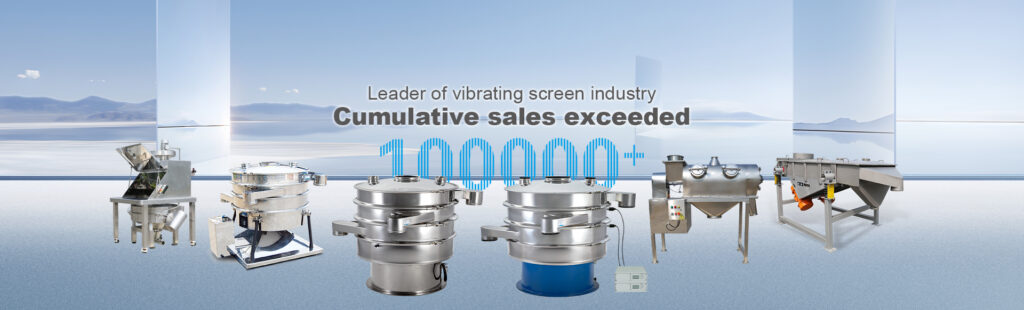
Gaofu Machinery has specialized in powder handling and screening technology for more than 40 years, providing customized equipment and integrated production solutions for customers in food, pharmaceutical, chemical, mining, and new material industries.
Our Solutions
- Feeding systems
- Flour sifters
- Vibrating screening equipment
- Vacuum conveying systems
- Bulk bag unloading stations
- Complete powder handling lines
- Customized engineering support
Company Strengths
- 40+ years of industry experience
- 60,000㎡ production base
- 500+ patent applications
- Exported to more than 100 countries and regions
- Serving over 10,000 global customers
Our engineering team evaluates production requirements, material characteristics, and facility layouts to recommend equipment configurations that align with each customer's application.
Conclusion
Integrating a Feeding System with a flour sifter involves careful consideration of material properties, equipment capacity, plant layout, automation, hygiene, and maintenance requirements. By following sound engineering practices, manufacturers can build a coordinated powder handling process that supports stable material flow and efficient screening.
If you are planning a new powder processing facility or upgrading an existing production line, Gaofu Machinery can provide customized Feeding System and flour sifter solutions designed to match your production capacity, material characteristics, and operational requirements.