

How an Automated Feeding System Supports Continuous Material Supply for Flour Sifter Applications
Post Date: 2026-07-04
Building a Stable and Efficient Powder Handling Process
In food processing facilities, maintaining a continuous supply of powdered materials is essential for supporting efficient production. While a flour sifter performs the important task of screening and classifying powders, its performance is closely connected to the stability of the feeding process. An automated Feeding System helps regulate material delivery, creating a coordinated workflow from storage to screening and downstream processing.
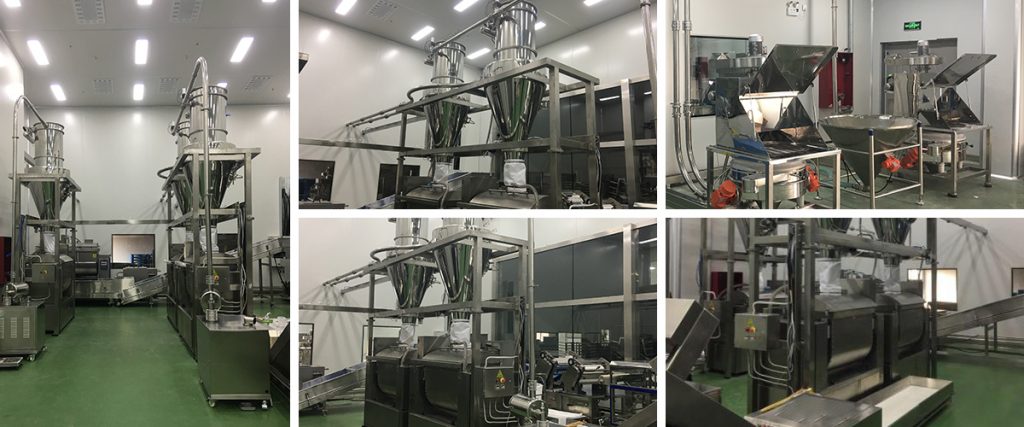
Whether handling wheat flour, rice flour, starch, sugar powder, milk powder, cocoa powder, or other food ingredients, an automated feeding solution can support consistent material flow while adapting to different production capacities and plant layouts.
At Gaofu Machinery, we design customized feeding and screening systems that help manufacturers optimize powder handling for a wide range of food processing applications.
Why Continuous Material Supply Matters
A flour sifter is designed to process material at a specified capacity. When the incoming material supply fluctuates significantly, production may experience:
- Uneven distribution of material across the screen surface
- Temporary accumulation at the equipment inlet
- Variations in production throughput
- Increased operator intervention
- Interruptions in downstream processing
Maintaining a controlled feeding rate helps create more stable operating conditions throughout the production line.
What Is an Automated Feeding System?
An automated Feeding System is designed to meter and transfer powders or granular materials from storage equipment to processing machinery at a controlled rate.
Depending on the application, the system may include:
- Storage hopper
- Feeding hopper
- Vacuum Conveyor
- Material level sensors
- Variable-speed drive
- PLC control system
- Connection interfaces for screening equipment
The system configuration is selected according to the material characteristics, production capacity, and process requirements.
Typical Process Flow
An integrated feeding and screening line generally follows these stages.
Step 1: Raw Material Storage
Materials are stored in silos, storage bins, or bulk bag unloading stations before entering the feeding system.
Step 2: Automated Material Feeding
The Feeding System meters the material and supplies it to the flour sifter according to preset operating parameters.
Step 3: Flour Screening
The flour sifter screens the material using the selected mesh specification to separate oversized particles, agglomerates, or foreign matter.
Step 4: Downstream Processing
After screening, the material may proceed to:
- Mixing systems
- Batching equipment
- Packaging lines
- Storage silos
- Additional production equipment
This sequence supports continuous powder movement throughout the production process.
How an Automated Feeding System Supports Continuous Material Supply
Controlled Feeding Rate
The Feeding System delivers material at a regulated rate that can be matched to the processing capacity of the flour sifter, helping maintain a steady supply.
Automated Operation
With PLC control and automated feeding cycles, the system can transfer materials according to production requirements while reducing the need for frequent manual intervention.
Better Coordination Between Equipment
Integrating the Feeding System with upstream storage and downstream screening equipment helps synchronize different stages of production.
Flexible Capacity Adjustment
Variable-speed feeding allows operators to adjust material flow when changing products, production schedules, or operating conditions.
Reduced Production Interruptions
Automated feeding can reduce pauses associated with manual material replenishment, contributing to a smoother production workflow.
Actual operating performance depends on material characteristics, equipment configuration, and operating conditions.
Engineering Considerations
Material Properties
Before selecting a Feeding System, manufacturers should evaluate:
- Particle size distribution
- Bulk density
- Moisture content
- Flowability
- Cohesiveness
- Abrasiveness
These characteristics influence feeder selection and overall system design.
Capacity Matching
The feeding capacity should be coordinated with the flour sifter's throughput to support balanced operation throughout the production line.
Plant Layout
System design should consider:
- Available installation space
- Material transfer direction
- Maintenance access
- Future production expansion
A practical layout can simplify installation and routine servicing.
Automation Requirements
Depending on production objectives, Feeding Systems may include:
- PLC-based controls
- Material level monitoring
- Variable-speed drives
- Automatic start and stop functions
- Integration with central production control systems
The level of automation should be selected according to operational requirements.
Hygiene Design
For food processing applications, equipment may be configured with:
- Stainless steel product-contact surfaces
- Food-grade sealing materials
- Smooth internal finishes
- Easy-access cleaning points
- Quick-disassembly components
Equipment selection should follow applicable food safety standards and the facility's operating procedures.
Typical Applications
Automated Feeding Systems integrated with flour sifters are suitable for processing:
- Wheat flour
- Rice flour
- Corn flour
- Starch
- Sugar powder
- Milk powder
- Protein powder
- Cocoa powder
- Baking premixes
- Food additives
- Seasoning powders
The final system configuration should be determined according to the production process and material characteristics.
Why Choose Gaofu Machinery?
Gaofu Machinery has more than 40 years of experience in powder handling and screening technology, providing customized equipment and integrated production solutions for customers worldwide.
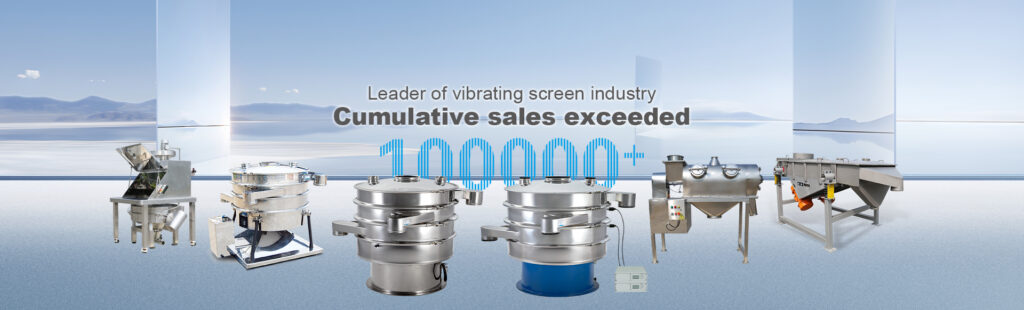
Our Solutions
- Automated Feeding Systems
- Flour sifters
- Vibrating screening equipment
- Vacuum conveying systems
- Bulk bag unloading stations
- Integrated powder handling lines
- Customized engineering support
Company Strengths
- 40+ years of industry experience
- 60,000㎡ production base
- 500+ patent applications
- Products exported to more than 100 countries and regions
- Serving over 10,000 global customers
Our engineering team works with customers to evaluate production requirements, material characteristics, and facility layouts, helping develop solutions tailored to each application.
Conclusion
An automated Feeding System plays an important role in supporting continuous material supply for flour sifter applications. By providing controlled feeding, coordinating production stages, and integrating with screening equipment, the system can contribute to a more organized and efficient powder handling process.
Whether you are designing a new food processing facility or upgrading an existing production line, Gaofu Machinery can provide customized Feeding System and flour sifter solutions designed to meet your production capacity, material characteristics, and operational requirements.