

Designing an Automated Powder Handling Line with a Vacuum Feeder and Flour Sifter
Post Date: 2026-06-29
Building an Efficient and Controlled Material Handling Process
As automation continues to transform food processing and powder manufacturing, many companies are upgrading from manual material transfer to integrated conveying and screening systems. An automated powder handling line that combines a Vacuum Feeder with a flour sifter can help streamline production by connecting raw material feeding, enclosed conveying, and precision screening into a continuous workflow.
Whether processing wheat flour, starch, milk powder, sugar, protein powder, or food additives, selecting compatible equipment and designing a well-balanced production line are important steps toward achieving consistent material handling.
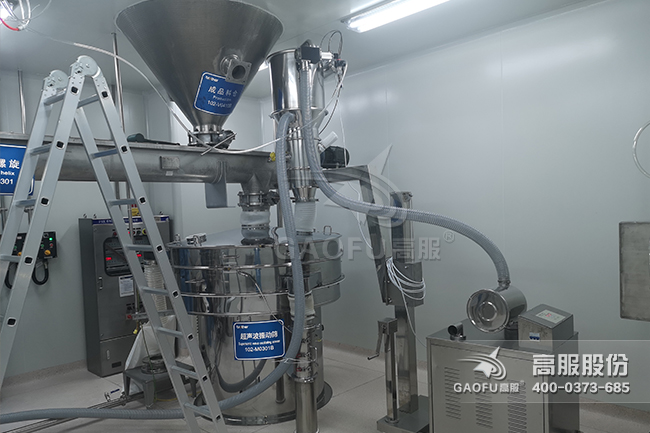
At Gaofu Machinery, we provide customized powder conveying and screening solutions designed to meet the production requirements of food, chemical, pharmaceutical, and new material industries.
Why Automate Powder Handling?
Traditional powder handling often relies on manual bag dumping, open transfer points, or standalone conveying equipment. Depending on the production environment, these methods may involve:
- Multiple manual handling steps
- Inconsistent material feeding
- Dust generation during transfer
- Additional cleaning requirements
- Limited production flexibility
An automated system can integrate material transfer and screening into a coordinated process while supporting stable production flow.
The Role of a Vacuum Feeder
A Vacuum Feeder uses negative pressure to transport powders or granules through enclosed pipelines. It is commonly used where clean and controlled material transfer is preferred.
Typical components include:
- Vacuum pump or vacuum generator
- Material receiving hopper
- Filter system
- Stainless steel conveying pipeline
- Automatic control system
- Material discharge valve
The enclosed conveying process helps transfer materials from storage containers, bulk bag stations, or intermediate hoppers directly to downstream equipment.
The Function of a Flour Sifter
A flour sifter screens powders before they enter mixing, packaging, or other processing stages. Depending on the selected mesh size and production objectives, the sifter can help:
- Remove oversized particles
- Separate agglomerates
- Filter foreign materials
- Improve particle size consistency
- Prepare materials for downstream processing
When integrated with a Vacuum Feeder, the flour sifter becomes part of a continuous automated production line.
Typical Automated Powder Handling Process
A standard production line may include the following stages:
Step 1: Raw Material Storage
Powders are stored in silos, bulk bags, or storage bins before entering the conveying system.
Step 2: Vacuum Conveying
The Vacuum Feeder draws material through sealed pipelines and transports it to the next processing stage.
Step 3: Buffer Hopper
An intermediate hopper can help regulate material flow and provide a stable feed to the flour sifter.
Step 4: Flour Screening
The flour sifter removes oversized particles and unwanted impurities while classifying the material according to process requirements.
Step 5: Downstream Processing
After screening, the material can be transferred to:
- Mixing equipment
- Packaging machines
- Storage silos
- Batching systems
- Production reactors
This integrated workflow supports continuous material movement throughout the production line.
Key Design Considerations
Material Characteristics
Before selecting equipment, evaluate:
- Particle size distribution
- Bulk density
- Moisture content
- Flowability
- Abrasiveness
- Hygroscopic properties
These factors influence both conveying performance and screening efficiency.
Capacity Matching
The conveying capacity of the Vacuum Feeder should be coordinated with the processing capacity of the flour sifter. Proper matching helps maintain a balanced production flow and minimizes interruptions caused by overfeeding or underfeeding.
Pipeline Design
Pipeline layout affects system performance. Engineering considerations include:
- Conveying distance
- Vertical lifting height
- Number of bends
- Pipe diameter
- Material velocity
A well-designed pipeline helps support reliable powder transfer.
Automation and Control
Modern powder handling lines can be equipped with automation features such as:
- PLC control systems
- Automatic conveying cycles
- Material level sensors
- Alarm monitoring
- Remote operation interfaces
The level of automation should be selected according to production requirements.
Hygiene and Cleaning
For food processing applications, equipment is often designed with sanitation in mind. Options may include:
- Stainless steel construction
- Food-grade seals
- Smooth internal surfaces
- Quick-release clamps
- Easy-access filters and screen frames
Cleaning procedures should follow the manufacturer's recommendations and the facility's hygiene protocols.
Advantages of an Integrated Vacuum Feeder and Flour Sifter Line
When properly engineered, an automated powder handling system may offer several operational benefits, including:
Continuous Material Transfer
Automated conveying supports a steady supply of material to the flour sifter, helping maintain consistent processing conditions.
Enclosed Powder Handling
Sealed pipelines reduce material exposure during transfer and can contribute to cleaner production areas.
Reduced Manual Handling
Automating material movement can reduce the need for repeated manual loading and transportation of powders within the production area.
Flexible Equipment Layout
Vacuum conveying systems can often be routed around existing equipment, allowing greater flexibility during plant design or expansion.
Simplified Process Integration
Vacuum Feeders can be connected with flour sifters, mixers, storage silos, and packaging equipment to form a coordinated production line.
Actual performance depends on material characteristics, system configuration, and operating conditions.
Typical Applications
An automated Vacuum Feeder and flour sifter system is suitable for handling a wide variety of powdered materials, including:
- Wheat flour
- Rice flour
- Corn flour
- Starch
- Sugar powder
- Milk powder
- Protein powder
- Cocoa powder
- Baking premixes
- Food additives
- Seasoning powders
Equipment selection should be based on the specific requirements of each application.
Why Choose Gaofu Machinery?
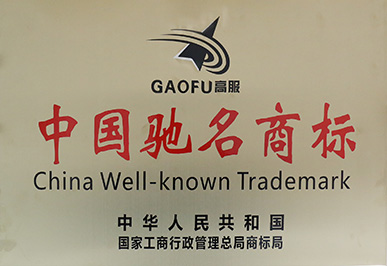
Gaofu Machinery has focused on screening and powder handling technologies for more than 40 years, providing customized equipment and integrated production solutions for customers worldwide.
Our Capabilities
- 40+ years of industry experience
- 60,000㎡ production base
- 500+ patent applications
- Exported to more than 100 countries and regions
- Serving over 10,000 global customers
- Customized conveying, feeding, and screening solutions
Our engineering team works closely with customers to evaluate material properties, production objectives, and facility layouts, helping develop powder handling systems that meet specific operational requirements.
Conclusion
Designing an automated powder handling line with a Vacuum Feeder and flour sifter requires careful consideration of material characteristics, conveying capacity, screening requirements, hygiene standards, and production goals. By integrating these systems into a coordinated workflow, manufacturers can establish a more organized and efficient powder handling process.
If you are planning a new production line or upgrading an existing facility, Gaofu Machinery can provide customized Vacuum Feeder and flour sifter solutions designed to match your materials, capacity requirements, and plant layout.