

Vacuum Feeder vs. Traditional Conveying Methods: Which Works Better with a Flour Sifter?
Post Date: 2026-06-27
Comparing Powder Conveying Solutions for Modern Flour Processing
Efficient material conveying is an essential part of any flour processing line. Before flour reaches a flour sifter, it must be transferred safely and consistently from storage, bulk bags, or intermediate hoppers. The choice of conveying equipment can influence production continuity, equipment layout, maintenance requirements, and workplace cleanliness.
Two common conveying methods are Vacuum Feeders and traditional mechanical conveying systems, such as screw conveyors or manual feeding. Each approach has advantages depending on the material, production capacity, and facility layout.

At Gaofu Machinery, we help customers evaluate their production requirements and recommend conveying solutions that integrate effectively with flour sifters and other downstream equipment.
Understanding the Two Conveying Methods
Vacuum Feeder
A Vacuum Feeder transports powders or granules through sealed pipelines using negative pressure. Typical components include:
- Vacuum pump
- Separation hopper
- Filter assembly
- Conveying pipeline
- Automatic control system
- Discharge valve
Materials are conveyed within an enclosed system before being discharged into the flour sifter or receiving hopper.
Traditional Conveying Methods
Traditional conveying systems commonly include:
- Screw conveyors
- Bucket elevators
- Belt conveyors
- Manual bag feeding
- Gravity chutes
These systems have been widely used in flour mills and food processing plants and may be suitable for many production environments.
Comparison of Vacuum Feeders and Traditional Conveying
Material Containment
Vacuum Feeder
Material is transported through sealed pipelines, which may help reduce powder exposure during conveying.
Traditional Conveying
Open transfer points or manual feeding methods may require additional measures to manage dust and material spillage, depending on the system design.
Plant Layout Flexibility
Vacuum Feeder
Vacuum pipelines can often be routed around existing equipment, making them suitable for facilities where space is limited or production lines require flexible layouts.
Traditional Conveying
Mechanical conveyors generally require fixed installation paths and additional structural support, although they are effective in many standard plant layouts.
Feeding Consistency
Vacuum Feeder
Automatic conveying cycles can provide a controlled material supply to the flour sifter when properly configured.
Traditional Conveying
Performance depends on conveyor type, operating parameters, and maintenance. Many mechanical systems also provide reliable feeding under suitable conditions.
Equipment Maintenance
Vacuum Feeder
Routine maintenance typically includes filter inspection, seal replacement, and vacuum system checks.
Traditional Conveying
Mechanical conveyors may require maintenance of moving components such as screws, bearings, chains, or belts.
Maintenance schedules vary according to equipment design and operating conditions.
Product Protection
For food powders such as flour, starch, milk powder, and baking ingredients, enclosed conveying may help limit material exposure during transfer.
The level of protection depends on system configuration and production practices.
Which System Works Better with a Flour Sifter?
There is no universal answer. The most suitable conveying method depends on the specific application.
A Vacuum Feeder may be a suitable choice when:
- Enclosed conveying is preferred
- Dust management is an important consideration
- Flexible equipment layout is required
- Automated material transfer is planned
- Multiple processing stations need to be supplied
Traditional conveying methods may be appropriate when:
- Short conveying distances are involved
- Existing mechanical conveyor systems are already installed
- Production processes are relatively simple
- Material characteristics are well suited to mechanical conveying
Selecting the appropriate solution should involve an evaluation of both production goals and engineering requirements.
Key Factors to Evaluate Before Selection
Material Properties
Consider:
- Particle size
- Bulk density
- Flowability
- Moisture content
- Abrasiveness
Different materials behave differently during conveying and screening.
Production Capacity
The conveying system should match the capacity of the flour sifter to maintain balanced material flow.
Hygiene Requirements
Food manufacturers often require equipment with hygienic designs, smooth material-contact surfaces, and convenient cleaning procedures.
Future Expansion
If production capacity may increase in the future, selecting equipment with expansion capability can simplify later upgrades.
Integration with Existing Equipment
A Vacuum Feeder should be compatible with upstream storage equipment and downstream flour sifters, mixers, or packaging systems.
Typical Applications
Vacuum Feeders integrated with flour sifters are commonly used for:
- Wheat flour
- Rice flour
- Corn flour
- Starch
- Sugar powder
- Milk powder
- Protein powder
- Baking premixes
- Food additives
- Seasoning powders
Equipment configuration should be selected according to material properties and process requirements.
Why Choose Gaofu Machinery?
Gaofu Machinery has specialized in powder conveying and screening technology for more than 40 years, providing integrated solutions for customers in the food, pharmaceutical, chemical, mining, and new material industries.
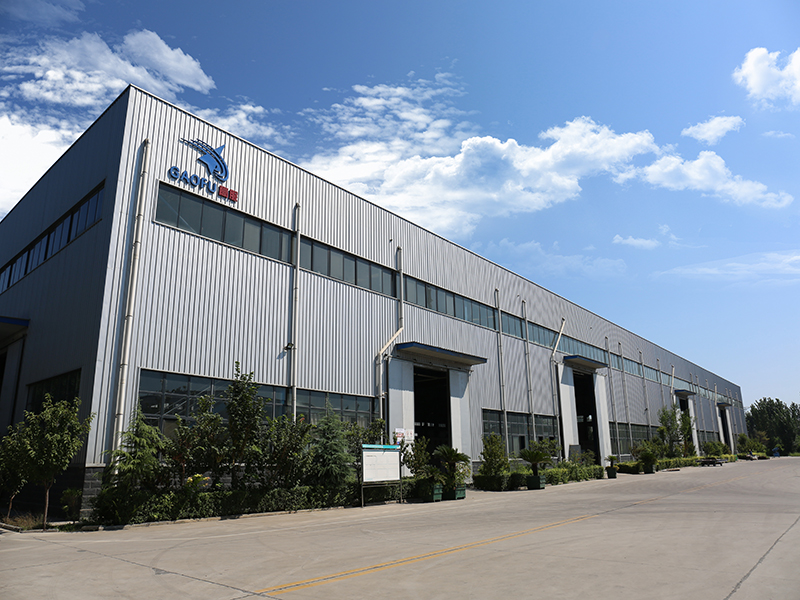
Our Engineering Capabilities
- Vacuum conveying systems
- Flour sifters and screening equipment
- Powder feeding solutions
- Integrated production line design
- Customized engineering support
Company Strengths
- 40+ years of industry experience
- 60,000㎡ production base
- 500+ patent applications
- Exported to more than 100 countries and regions
- Serving over 10,000 global customers
Our engineering team works with customers to understand production objectives, material characteristics, and plant layouts before recommending suitable equipment solutions.
Conclusion
Both Vacuum Feeders and traditional conveying methods have important roles in flour processing facilities. The appropriate choice depends on factors such as material properties, production capacity, plant layout, automation goals, and hygiene requirements.
For manufacturers seeking an enclosed conveying solution that integrates with flour sifters and other processing equipment, a Vacuum Feeder may provide an effective option when properly designed for the application.
If you are planning a new flour processing line or upgrading an existing system, Gaofu Machinery can provide customized vacuum conveying and screening solutions tailored to your production requirements.