

Maintenance Best Practices for Keeping Your Vibrating Screen Flour Sifter Running Smoothly
Post Date: 2026-06-09
In high-capacity food processing and milling facilities, operational continuity directly dictates profitability. When a primary industrial flour sifter experiences unscheduled downtime, the entire processing line downstream frequently grinds to a halt.
While the Rotary Vibrating Sieve from Gaofu Machinery is engineered for durability and 24/7 continuous operation, regular preventative maintenance is essential to sustain optimal throughput, ensure complete particle separation, and extend the lifespan of the equipment.
By implementing a standardized maintenance protocol, facilities can minimize component wear and ensure full compliance with food safety regulations.
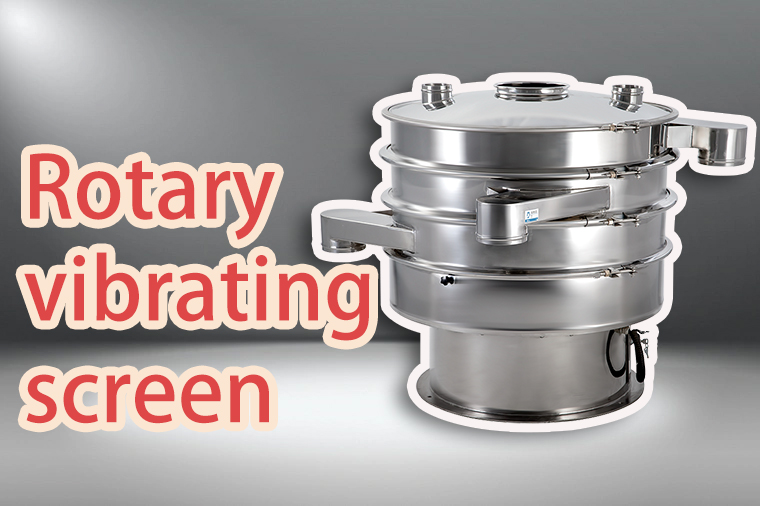
Standardized Maintenance Schedule
To maintain peak efficiency without disrupting production schedules, maintenance tasks should be divided into distinct daily, weekly, and monthly intervals.
| Frequency | Target Component | Action Required | Operational Objective |
|---|---|---|---|
| Daily | Screen Mesh Cover & Seals | Inspect for physical tears, punctures, or seal degradation. | Prevents dust leakage and ensures complete contaminant isolation. |
| Daily | Motor & Suspension Springs | Listen for unusual acoustic signatures or irregular structural bouncing. | Detects mechanical imbalances before they cause component damage. |
| Weekly | Quick-Release Clamps | Verify torque tightness and check for structural fatigue. | Maintains a dust-tight seal across processing frames. |
| Weekly | Anti-Blinding Bouncing Balls | Inspect for wear, flat spots, or material accumulation on the cleaning rings. | Ensures consistent mesh clearance and prevents blinding. |
| Monthly | Vibration Motor Bearings | Check lubrication levels and apply food-grade grease if required by the motor spec. | Prevents thermal overload and mechanical friction failure. |
How to Safely Replace and Tension the Sieve Mesh
Because flour sifting involves abrasive physical contact over high-volume runs, the wire mesh screen cloth is a consumable component that requires periodic replacement. Incorrect installation or inadequate tensioning can cause premature mesh failure or bypass leaks.
Follow this systematic procedure to execute a compliant, secure screen replacement:
1.Isolate and Lockout Power:Safety Prerequisite.
Before performing any maintenance, execute a full Lockout/Tagout (LOTO) protocol on the primary electrical panel powering the vertical vibration motor to prevent accidental startup.
2.Release Frame Clamps and Remove the Cover:Disassembly Step.
Disengage the quick-release toggle clamps or V-band clamps securing the upper deck. Lift the dust cover and the upper frame section away from the machine base to expose the tensioned screen frame.
3.Inspect the Clean-In-Place (CIP) Components:Sanitation Check.
Remove the worn screen frame. Before installing the new mesh, inspect the underlying perforated plate and replace any food-grade silicone bouncing balls or cleaning rings that show signs of physical erosion.
4.Install and Uniformly Tension the New Mesh:Critical Quality Step.
Lay the replacement stainless steel wire mesh cloth over the specialized bonding or clamping ring. Use a dedicated tensioning tool to pull the mesh tightly across the radius. Inadequate tension causes the mesh to sag under bulk loading, reducing throughput and accelerating wear.
5.Reassemble the Decks and Verify Seals:Final Alignment.
Lower the processing frames back onto the base, ensuring that the food-grade silicone gaskets are seated properly within their designated tracks. Secure the V-clamps evenly around the perimeter to ensure an airtight, dust-tight seal.
Operational Insight: When monitoring a vibrating screen, always track the operating temperature of the vibration motor. A sudden rise in casing temperature often indicates bearing friction or electrical phase imbalances that require immediate diagnostic inspection.
By adhering to an organized preventative maintenance routine, food processing plants can maximize the reliable service life of their Rotary Vibrating Sieve, ensuring that every batch of flour remains perfectly aerated, uniform, and completely clear of contaminants.
To further optimize your processing line maintenance