

Reducing Manual Material Handling by Combining a Feeding System with a Flour Sifter
Post Date: 2026-07-04
Streamlining Powder Processing with Automated Feeding and Screening
In food manufacturing, efficient material handling is an important factor in maintaining consistent production and supporting product quality. Traditional powder handling methods often involve repeated manual loading, which can increase labor requirements and create interruptions in the production process. By integrating a Feeding System with a flour sifter, manufacturers can establish a more continuous workflow from raw material storage to screening and downstream processing.
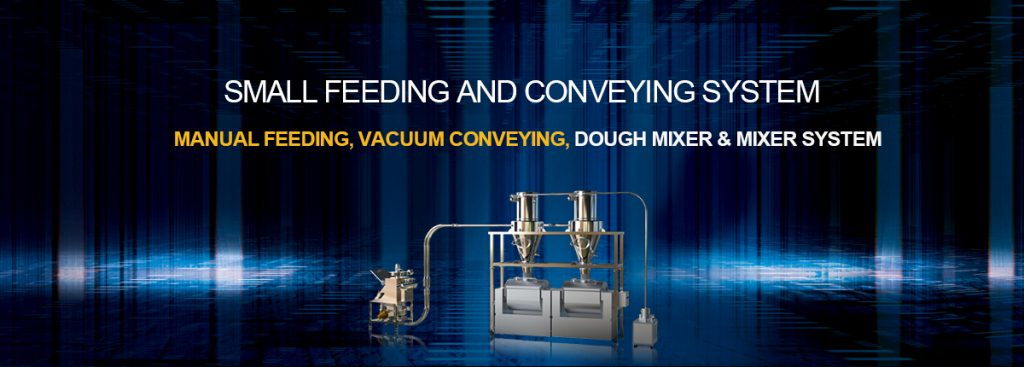
Whether processing wheat flour, rice flour, starch, sugar powder, milk powder, cocoa powder, or baking ingredients, an integrated feeding and screening solution can help improve material transfer while adapting to different production requirements.
At Gaofu Machinery, we provide customized feeding and screening systems designed to meet the operational needs of food, chemical, pharmaceutical, and other powder processing industries.
Challenges of Manual Material Handling
In many production facilities, powders are transferred manually from bags or containers into processing equipment. Depending on the production environment, this approach may involve:
- Repeated lifting and loading of raw materials
- Inconsistent feeding rates
- Production pauses during replenishment
- Additional housekeeping around feeding areas
- Greater dependence on operator intervention
The impact of these factors varies with production volume, material characteristics, and plant layout.
The Role of a Feeding System
A Feeding System is designed to transport and meter powdered or granular materials from storage equipment to downstream processing machinery at a controlled rate.
Depending on the application, the system may include:
- Storage hopper
- Feeding hopper
- Vacuum conveyor
- Material level sensors
- Variable-speed drive
- PLC control system
- Connection interfaces for screening equipment
The final configuration is selected according to production capacity, material properties, and process requirements.
The Function of a Flour Sifter
A flour sifter is commonly used in food processing lines to prepare powders before mixing, packaging, or other production stages.
Typical functions include:
- Removing oversized particles
- Separating agglomerates
- Screening foreign matter
- Improving particle size consistency
- Preparing materials for downstream processing
Stable material feeding supports consistent operation of the screening equipment.
How the Integrated System Works
A typical production process includes the following steps:
Step 1: Raw Material Storage
Powders are stored in silos, bins, or bulk bag unloading stations.
Step 2: Controlled Feeding
The Feeding System delivers material to the flour sifter at a regulated rate based on production requirements.
Step 3: Screening
The flour sifter screens the material according to the selected mesh specification.
Step 4: Downstream Processing
After screening, the material may be transferred to:
- Mixing systems
- Packaging equipment
- Batching systems
- Storage silos
- Additional processing equipment
This integrated workflow helps coordinate material movement throughout the production line.
How Integration Can Reduce Manual Material Handling
Automated Material Transfer
A Feeding System can reduce the need for repeated manual loading by automatically supplying material from storage equipment to the flour sifter.
Consistent Material Supply
Controlled feeding helps maintain a stable flow of powder into the screening equipment, reducing the need for frequent operator adjustments.
Better Production Coordination
Connecting feeding and screening equipment supports smoother transitions between different production stages.
Flexible Production Control
Many Feeding Systems allow operators to adjust feed rates to accommodate different products or production schedules.
Improved Workplace Organization
Depending on the equipment configuration, integrating feeding and screening equipment may reduce the number of manual transfer points and help organize material flow within the production area.
Actual operational improvements depend on material characteristics, equipment configuration, and plant operating conditions.
Engineering Considerations
When designing an integrated Feeding System and flour sifter solution, manufacturers should evaluate several key factors.
Material Characteristics
Important material properties include:
- Particle size
- Bulk density
- Moisture content
- Flowability
- Cohesiveness
These characteristics influence feeder selection and overall system design.
Capacity Matching
The Feeding System should be matched to the processing capacity of the flour sifter to support balanced production.
Plant Layout
Equipment positioning should allow efficient material transfer while providing adequate space for maintenance and future expansion.
Automation Requirements
Many systems can include:
- PLC-based controls
- Variable-speed drives
- Material level sensors
- Automatic start and stop functions
- Integration with plant control systems
The appropriate level of automation depends on production objectives.
Hygiene Design
For food processing applications, Feeding Systems may be configured with:
- Stainless steel product-contact components
- Food-grade sealing materials
- Smooth internal surfaces
- Easy-access cleaning points
- Quick-release components
Equipment selection should align with applicable food safety requirements and the facility's operating procedures.
Typical Applications
Integrated Feeding Systems and flour sifters are suitable for processing a wide range of powdered food materials, including:
- Wheat flour
- Rice flour
- Corn flour
- Starch
- Sugar powder
- Milk powder
- Cocoa powder
- Protein powder
- Baking premixes
- Food additives
- Seasoning powders
The final equipment configuration should be selected according to the material characteristics and production process.
Why Choose Gaofu Machinery?
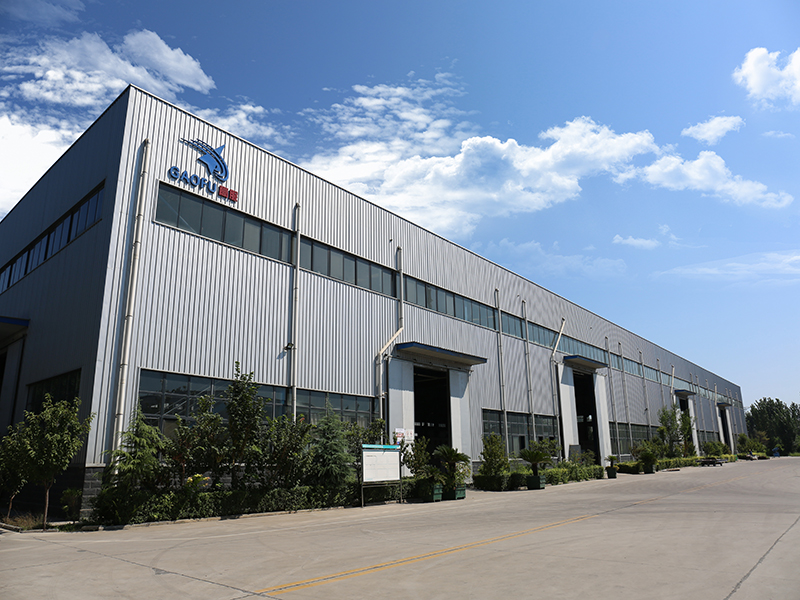
With more than 40 years of experience in powder handling and screening technology, Gaofu Machinery provides customized equipment and integrated production solutions for customers around the world.
Our Solutions
- Feeding systems
- Flour sifters
- Vibrating screening equipment
- Vacuum conveying systems
- Bulk bag unloading stations
- Integrated powder handling lines
- Customized engineering support
Company Strengths
- 40+ years of industry experience
- 60,000㎡ production base
- 500+ patent applications
- Products exported to more than 100 countries and regions
- Serving over 10,000 global customers
Our engineering team works closely with customers to understand production goals, material characteristics, and facility layouts, helping develop solutions tailored to each application.
Conclusion
Combining a Feeding System with a flour sifter can help reduce manual material handling by supporting automated material transfer and more consistent feeding throughout the production process. When properly designed, an integrated system can improve coordination between storage, screening, and downstream equipment while adapting to the specific requirements of different food processing applications.
If you are planning a new production line or upgrading an existing powder handling system, Gaofu Machinery can provide customized Feeding System and flour sifter solutions designed to match your production capacity, material characteristics, and plant layout.