

Selecting the Right Feeding System for Flour Sifter Equipment: A Practical Guide for Food Manufacturers
Post Date: 2026-07-03
Why Feeding System Selection Matters
In food manufacturing, the performance of a flour sifter depends not only on the screening equipment itself but also on how materials are delivered to it. A properly selected Feeding System helps regulate the flow of powders into the sifter, contributing to stable production and supporting the coordination of upstream and downstream processes.

Whether processing wheat flour, rice flour, starch, sugar powder, milk powder, cocoa powder, or other food ingredients, choosing a feeding system that matches the application is an important part of production line design.
At Gaofu Machinery, we provide customized feeding and screening solutions that are developed according to customer requirements, material characteristics, and production capacity.
Understanding the Role of a Feeding System
A Feeding System is designed to transport and meter powders or granular materials from storage equipment to processing machinery at a controlled rate.
Depending on the application, a feeding system may include:
- Storage hopper
- Feeding hopper
- Vacuum feeder
- Material level sensors
- Variable-speed drive
- PLC control system
- Connection interfaces for conveying and screening equipment
The final configuration depends on production goals and the characteristics of the material being handled.
How a Feeding System Works with a Flour Sifter
A typical production process includes several connected stages.
Step 1: Material Storage
Raw materials are stored in silos, storage bins, or bulk bag unloading stations before entering the feeding system.
Step 2: Controlled Feeding
The Feeding System meters the material and transfers it to the flour sifter at a regulated rate.
Step 3: Screening
The flour sifter separates oversized particles, agglomerates, or foreign matter according to the selected mesh specification.
Step 4: Downstream Processing
After screening, materials may be transferred to:
- Mixing equipment
- Batching systems
- Packaging machines
- Storage silos
- Other production equipment
Proper coordination between these stages supports continuous powder handling.
Key Factors When Selecting a Feeding System
1. Evaluate Material Characteristics
Understanding the material is the first step in equipment selection.
Consider:
- Particle size distribution
- Bulk density
- Moisture content
- Flowability
- Cohesiveness
- Abrasiveness
These characteristics influence feeder type, hopper design, and material discharge behavior.
2. Match the Feeding Capacity
The feeding capacity should correspond to the processing capacity of the flour sifter.
A balanced material supply helps maintain stable screening conditions and reduces the likelihood of overfeeding or underfeeding.
3. Choose the Appropriate Feeding Method
Different production processes may require different feeding technologies.
Common options include:
Screw Feeders
Suitable for controlled metering of many fine powders.
Rotary Feeders
Often used for continuous discharge from hoppers or silos.
Vibratory Feeders
Suitable for applications requiring gentle material movement.
The most appropriate solution depends on the material and process requirements.
4. Consider Plant Layout
The available installation space should be evaluated during system design.
Important considerations include:
- Equipment accessibility
- Material transfer path
- Maintenance clearance
- Future production expansion
A well-planned layout can simplify installation and daily operation.
5. Determine the Required Level of Automation
Many modern Feeding Systems can include:
- PLC-based control
- Variable-speed adjustment
- Material level monitoring
- Automatic start and stop functions
- Communication with central production systems
Automation options should be selected according to operational requirements.
6. Hygiene and Food Safety
Food processing equipment should be designed with sanitation in mind.
Depending on customer requirements, Feeding Systems may include:
- Stainless steel product-contact surfaces
- Food-grade sealing materials
- Smooth internal finishes
- Easy-access cleaning points
- Quick-disassembly components
Equipment selection should comply with applicable food safety standards and the facility's operating procedures.
7. Maintenance Requirements
Routine maintenance is an important part of long-term equipment performance.
When selecting a Feeding System, consider:
- Cleaning procedures
- Inspection access
- Replacement of wear parts
- Availability of spare components
- Preventive maintenance schedules
Following the manufacturer's maintenance recommendations can help support reliable operation.
Advantages of a Well-Matched Feeding System
When properly selected and integrated with a flour sifter, a Feeding System may help support:
- Stable material flow
- Consistent feeding conditions
- Improved coordination between production stages
- Reduced manual material handling
- Flexible adjustment for different production requirements
Actual operating results depend on material characteristics, equipment configuration, and production conditions.
Typical Applications
Feeding Systems integrated with flour sifters are suitable for handling a variety of powdered food products, including:
- Wheat flour
- Rice flour
- Corn flour
- Starch
- Sugar powder
- Milk powder
- Protein powder
- Cocoa powder
- Baking premixes
- Food additives
- Seasoning powders
The final equipment selection should be based on the specific production process and application requirements.
Why Choose Gaofu Machinery?
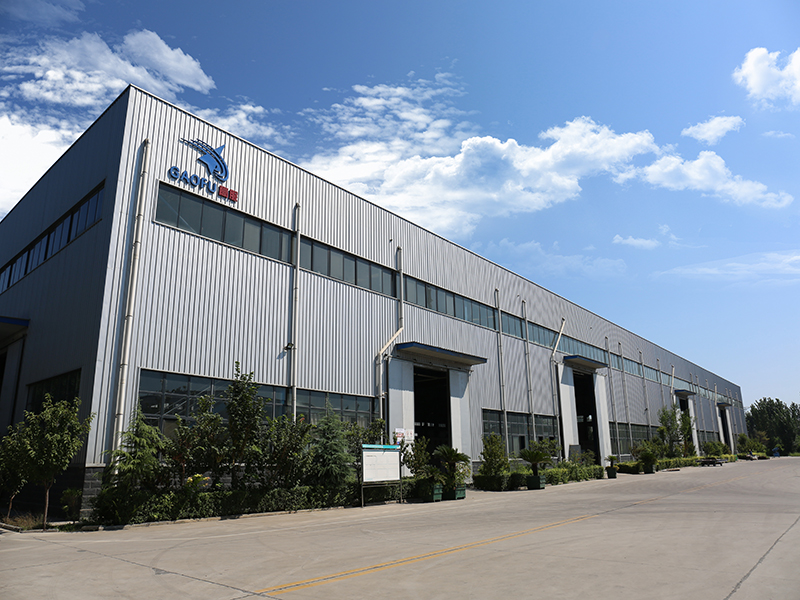
For more than 40 years, Gaofu Machinery has specialized in powder handling and screening technology for food, pharmaceutical, chemical, mining, and new material industries.
Our Product Range
- Feeding systems
- Flour sifters
- Vibrating screening equipment
- Bulk bag unloading stations
- Vacuum conveying systems
- Complete powder handling solutions
- Customized engineering services
Company Strengths
- 40+ years of industry experience
- 60,000㎡ production base
- 500+ patent applications
- Products exported to more than 100 countries and regions
- Serving over 10,000 global customers
Our engineering team evaluates production objectives, material characteristics, and plant layouts to recommend solutions that align with each customer's operational requirements.
Conclusion
Selecting the right Feeding System is an important step in designing an efficient flour sifter production line. Factors such as material properties, feeding capacity, equipment layout, automation, hygiene, and maintenance all contribute to the overall performance of the system.
By carefully evaluating these considerations, food manufacturers can develop a coordinated powder handling process that supports stable material flow and effective screening. Gaofu Machinery offers customized Feeding System and flour sifter solutions designed to meet a wide range of production requirements and processing applications.