

Rotary Vibrating Sieve Maintenance for Salt Processing: Practical Ways to Manage Screen and Equipment Conditions
Post Date: 2026-09-16
In salt-processing facilities, a Rotary vibrating sieve may operate for extended periods as part of screening, classification, or product preparation processes. Like other mechanical equipment, its operating condition can change over time because of continuous vibration, material contact, cleaning activities, environmental conditions, and routine use.
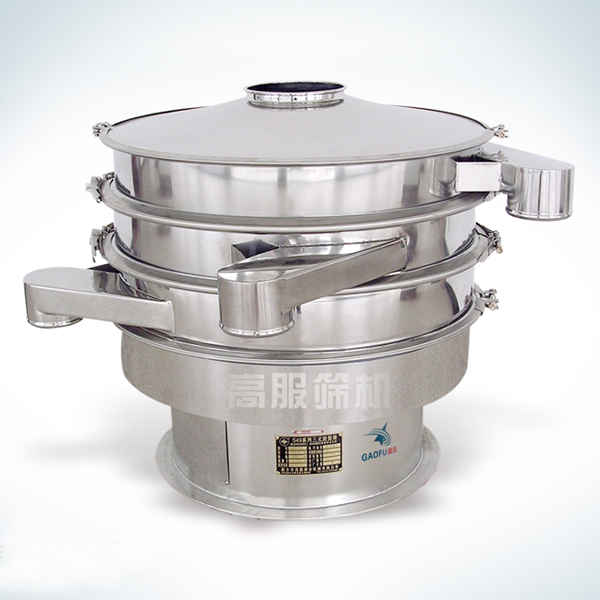
A structured maintenance program can help operators monitor the condition of the screening surface and associated components. Instead of waiting for a noticeable process interruption, regular inspection can provide an opportunity to identify wear, accumulation, loose components, or other conditions that may require attention.
The appropriate maintenance schedule should always follow the equipment manufacturer's recommendations and the actual operating conditions of the salt-processing line.
1. Why Maintenance Matters in Salt Screening
Salt can come into contact with the screen mesh, screen frame, sealing components, and other internal or external parts during normal operation.
Over time, operators may encounter conditions such as:
- Screen contamination
- Material accumulation
- Loose screen components
- Seal wear
- Fastener loosening
- Abnormal vibration
- Discharge obstruction
- Surface corrosion or other environmental effects
Not every condition requires immediate replacement or adjustment. However, identifying changes early can help operators determine whether inspection, cleaning, adjustment, or component replacement is appropriate.
2. Establish a Routine Inspection Schedule
A practical maintenance program can divide inspections into different intervals.
Before operation
Operators can check the general condition of the machine, screen, connections, and visible components.
During operation
Attention can be given to unusual vibration, noise, material accumulation, or changes in discharge behavior.
After production
The machine can be inspected and cleaned according to the facility's procedures.
Periodic maintenance
More detailed inspection can cover screening components, seals, fasteners, vibration-related parts, and other components identified in the manufacturer's maintenance instructions.
The exact frequency should be adjusted according to operating hours, salt characteristics, cleaning procedures, and equipment design.
3. Inspect the Screen Mesh Regularly
The screen is one of the key working components of a Rotary vibrating sieve.
Operators can check the mesh for:
- Broken wires
- Damaged areas
- Loose sections
- Excessive contamination
- Deformation
- Unusual wear
A damaged screen can change the effective screening condition and may allow particles to pass through areas where they should not.
If damage is identified, the screen should be evaluated and replaced or repaired according to the equipment manufacturer's instructions.
4. Check Screen Tension and Fastening
A screen needs to remain properly installed during operation.
Depending on the machine design, the screen may be secured using a specific tensioning or fastening arrangement.
During maintenance, operators can inspect whether the screen remains securely positioned and whether fasteners or related components show signs of loosening.
Because a Rotary vibrating sieve operates through continuous vibration, proper fastening is an important part of routine equipment inspection.
The manufacturer's recommended installation procedure should be followed when adjusting or replacing screening components.
5. Remove Salt Accumulation
Salt particles can accumulate around screening surfaces, frames, outlets, and other areas if cleaning is not performed according to the facility's procedures.
Accumulated material may affect inspection and can make subsequent cleaning more difficult.
After production, operators can clean accessible areas according to the established sanitation procedure.
For food-processing applications, the cleaning method should be compatible with the equipment construction and the customer's hygiene requirements.
Where water or wet cleaning is used, the equipment manufacturer's instructions should be followed to prevent moisture-related problems with components that are not intended for such exposure.
6. Inspect Sealing Components
Seals help separate the screening chamber from the surrounding environment and support the intended material path.
During maintenance, operators can check for:
- Cracks
- Deformation
- Wear
- Incorrect positioning
- Material buildup
A damaged or improperly positioned seal may require adjustment or replacement.
The correct replacement material should be selected according to the equipment specification and processing environment.
7. Pay Attention to Unusual Vibration
Vibration is fundamental to the operation of a Rotary vibrating sieve, but operators should still pay attention to changes from the machine's normal operating condition.
Unusual vibration may be associated with several possible factors, including:
- Loose components
- Incorrect assembly
- Material accumulation
- Component wear
- Changes in operating conditions
If abnormal vibration is observed, the machine should be inspected according to the manufacturer's troubleshooting procedure.
Operators should not make uncontrolled changes to vibration-related components simply to compensate for a process change.
8. Monitor Unusual Noise
Changes in operating noise can provide another indication that inspection may be appropriate.
For example, a new rattling, knocking, or unusual mechanical sound may indicate that a component requires attention.
When an abnormal noise appears, operators can first follow the recommended safety shutdown procedure and then inspect the machine.
Possible inspection areas may include fasteners, screen components, seals, structural connections, and vibration-related parts.
The exact cause should be identified before making adjustments.
9. Keep Discharge Outlets Clear
The discharge section should remain accessible and free from unnecessary material accumulation.
A restricted outlet can influence how salt leaves the screening chamber and may affect the overall operating condition.
During routine cleaning and inspection, operators can check:
- Outlet openings
- Discharge connections
- Collection interfaces
- Residual salt
- Downstream transfer points
Any obstruction should be addressed using the appropriate operating and cleaning procedure.
10. Inspect Vibration-Related Components
The vibration mechanism is an important part of the Rotary vibrating sieve.
Periodic maintenance should therefore include inspection of the relevant vibration-related components identified by the equipment manufacturer.
Depending on the equipment configuration, maintenance may involve checking component fastening, operating condition, lubrication requirements where applicable, and signs of wear.
Maintenance personnel should use the manufacturer's technical documentation when performing these tasks rather than relying on general procedures for unrelated equipment.
11. Check Fasteners and Structural Connections
Continuous vibration can make the condition of fasteners and structural connections an important maintenance consideration.
During scheduled inspection, operators can check accessible:
- Bolts
- Nuts
- Clamps
- Screen frames
- Equipment connections
- Support components
Any loose or damaged component should be handled according to the manufacturer's maintenance instructions.
Routine inspection can be particularly useful when the machine operates frequently or under demanding production conditions.
12. Consider Corrosion and Environmental Conditions
Salt-processing environments can present specific environmental considerations.
Moisture, cleaning agents, temperature, and exposure to salt particles may influence the condition of equipment surfaces and components.
Operators can monitor the machine for visible signs of corrosion, surface deterioration, or other environmental effects.
Where corrosion resistance is important, the appropriate equipment construction and material specification should be established during the equipment-selection stage.
Existing equipment should be maintained according to the manufacturer's recommendations for its construction materials.
13. Screen Cleaning and Replacement
Screen cleaning should be performed according to the material and production requirements.
Different facilities may use different cleaning procedures depending on whether the process is dry, wet, batch-based, or continuous.
When the screen becomes damaged or reaches the replacement condition specified by the manufacturer, it should be replaced using a suitable component.
After replacement, operators should confirm that the screen is correctly installed and securely fastened before restarting the equipment.
14. Manage Maintenance During Product Changeovers
Some food-processing facilities may process several salt grades or other ingredients on the same screening equipment.
Product changeovers provide an opportunity to combine cleaning and inspection activities.
A practical procedure may include:
Production Stop → Material Removal → Screen Inspection → Cleaning → Component Check → Reassembly → Production Restart
The actual procedure should follow the customer's sanitation program and the equipment manufacturer's instructions.
Where multiple food products are processed, appropriate procedures should also be established to address product residue and cross-contamination considerations.
15. Keep Maintenance Records
Maintenance records can provide useful information about the operating history of a Rotary vibrating sieve.
A basic record may include:
- Inspection date
- Operating hours
- Screen condition
- Cleaning performed
- Components inspected
- Parts replaced
- Observed abnormalities
- Corrective actions
- Next planned inspection
Over time, these records can help maintenance personnel identify recurring issues and plan replacement parts or scheduled servicing.
16. Spare Parts Planning
Having suitable replacement components available can simplify routine maintenance.
For a Rotary vibrating sieve, commonly monitored components may include screening mesh, seals, fastening components, and other equipment-specific parts.
The appropriate spare-parts list depends on the machine configuration and operating environment.
Instead of maintaining a large inventory of every possible component, customers can identify frequently replaced or critical parts based on their actual operating history and supplier recommendations.
17. A Practical Maintenance Checklist
For day-to-day management, operators can use a simple checklist:
Screen
- Inspect mesh condition
- Check fastening
- Remove accumulated material
Machine
- Observe vibration
- Listen for unusual noise
- Check visible connections
Discharge
- Inspect outlets
- Check for material restrictions
- Confirm downstream connections
Cleaning
- Follow the established sanitation procedure
- Inspect material-contact areas
- Confirm appropriate drying where required
Periodic maintenance
- Inspect vibration-related components
- Check seals and fasteners
- Review maintenance records
This checklist can be adapted to the specific Rotary vibrating sieve model and production environment.
18. Gaofu Machinery Support for Rotary Vibrating Sieve Maintenance
Gaofu Machinery provides Rotary vibrating sieve equipment for powder and granular material screening applications, including salt processing.
Equipment configuration and maintenance requirements can vary according to machine design, material characteristics, operating conditions, and installation environment.
Gaofu can provide equipment-specific guidance covering operation, cleaning, inspection, component replacement, and after-sales support according to the applicable machine configuration.
For customers developing salt or food-processing screening lines, maintenance considerations can also be discussed during the equipment-planning stage.
Conclusion
Regular maintenance is an important part of managing a Rotary vibrating sieve used in salt processing.
Screen condition, fastening, sealing, vibration-related components, discharge passages, cleaning, and environmental effects can all be included in a practical inspection program. Maintenance records and spare-parts planning can further help operators organize scheduled servicing.
There is no single maintenance schedule suitable for every salt-screening application. The appropriate inspection frequency and procedures should be established according to the equipment manufacturer's recommendations, operating hours, material characteristics, cleaning requirements, and site conditions.
With systematic inspection and equipment-specific maintenance procedures, processors can better manage the condition of their Rotary vibrating sieve throughout routine salt-screening operations.