

Sanitary Clean-Down Routines: Maintenance Insights for a Stainless Steel Feed Vibro Separator
Post Date: 2026-10-19
Introduction
In animal feed manufacturing, equipment cleanliness is an important part of routine production management. Feed ingredients can leave fine powder, oily residues, sticky deposits, and accumulated particles on screening surfaces and inside material-contact areas. If these residues are not removed appropriately, they may contribute to cross-contact between formulations, interfere with screening performance, or make subsequent inspections more difficult.
A stainless steel Rotary Vibrating Sieve, also known as a rotary vibro separator, can be used to screen, grade, and remove selected impurities from powder and granular feed ingredients. However, maintaining its performance involves more than checking the motor or replacing a worn screen. The cleaning method, disassembly procedure, drying conditions, and pre-startup inspection all influence the condition of the equipment before the next production run.
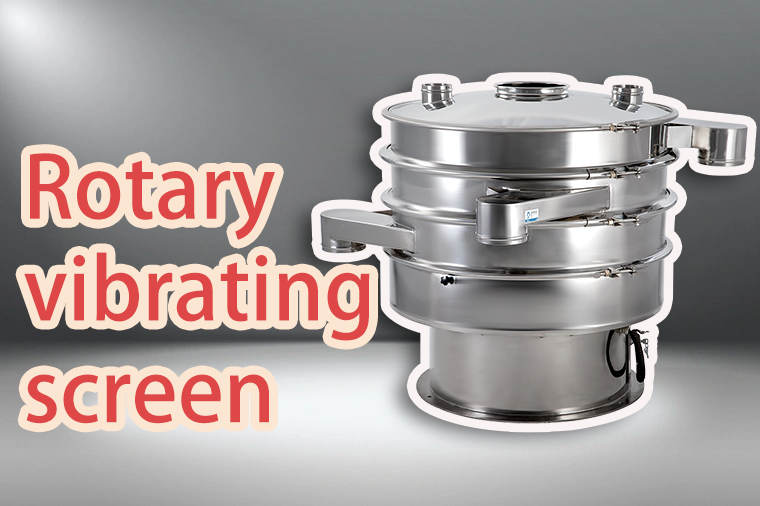
For feed manufacturers, a documented clean-down routine can help make these tasks more consistent and easier to verify. Gaofu Machinery's Rotary Vibrating Sieve can be evaluated for feed-processing applications according to the material characteristics, required screening performance, and plant hygiene procedures.
1. Why Sanitary Cleaning Matters for Feed Screening Equipment
Feed-processing lines may handle different formulations throughout the production day. Corn meal, soybean meal, bran, protein ingredients, mineral additives, and premixes can leave different types of residue on screens and other product-contact surfaces.
The cleaning requirements depend on the ingredient, process, and intended product. Fine powders may collect around screen frames and outlet connections, while ingredients containing fats or other binding components may leave deposits that are harder to remove. Moisture introduced during an unsuitable cleaning procedure may also create additional drying and inspection requirements.
A structured clean-down routine can help address several practical concerns:
- Residue control: Removing accumulated feed material from accessible product-contact surfaces.
- Cross-contact prevention: Reducing the potential for material from a previous batch to enter a subsequent formulation.
- Screen inspection: Making it easier to identify damaged mesh, blocked openings, or material buildup.
- Equipment condition: Providing an opportunity to examine seals, clamps, and other removable components.
- Process documentation: Recording cleaning completion, inspection findings, and corrective actions.
For US animal-food facilities subject to applicable requirements, FDA regulations address equipment cleanability, maintenance, and protection against contamination. The relevant provisions include 21 CFR Part 507.22. Requirements in other markets may differ, so each plant should establish procedures appropriate to its jurisdiction and products. FDA guidance on current good manufacturing practice for animal food.
2. Begin with the Right Cleaning Plan
Before cleaning a Rotary Vibrating Sieve, the maintenance team should understand what the machine has processed and what the next production run requires. A routine suitable for a dry, free-flowing ingredient may not be sufficient for a sticky material or a changeover involving a formulation with different residue characteristics.
The cleaning plan should specify:
- Which machine parts require cleaning.
- Whether dry cleaning, wet cleaning, or a validated combination is appropriate.
- Which detergents or cleaning agents are permitted for the equipment materials.
- Whether a sanitizing step is required by the plant's risk assessment or applicable procedures.
- How removable components will be identified and reassembled.
- What inspection or verification is required before the machine returns to service.
The machine manufacturer's instructions should determine which parts can be removed, which areas require special care, and which cleaning methods are permitted. Avoid assuming that every stainless steel component can tolerate every chemical, temperature, or cleaning method.
A written procedure also helps operators follow a consistent sequence rather than relying on memory, especially when the machine is shared between different production batches.
3. Step One: Stop the Machine and Prepare the Work Area
Safety and preparation should come before any cleaning activity.
Stop the feed supply and allow material already in the screening chamber to discharge according to the operating procedure. Isolate the machine from its energy sources and apply the site's lockout/tagout or equivalent energy-control procedure before opening guards or accessing internal components.
Operators should verify that the machine has stopped completely and cannot restart unexpectedly. Electrical enclosures, vibration motors, and other components must be handled according to the manufacturer's safety instructions.
Before cleaning begins:
- Remove remaining product using the approved operating and material-handling procedure.
- Prepare designated cleaning tools and approved cleaning agents.
- Identify any parts that require removal for access.
- Protect nearby equipment and exposed materials from contamination.
- Place collected residues and waste in designated containers.
Cleaning tools should be suitable for the application and managed to prevent cross-contact between different materials or hygiene zones. Where compressed air is permitted, it must be used in a manner that does not spread contamination or create additional hazards. In dusty feed-processing environments, the plant should also consider airborne dust and any applicable combustible-dust controls.
4. Step Two: Remove Loose Feed Residues
For compatible dry materials, initial residue removal may involve an approved industrial vacuum, brush, or other method specified by the plant's sanitation procedure.
The objective is to remove loose powder and particles before applying a cleaning method designed for more persistent deposits. This can make later cleaning easier and reduce the amount of residue that becomes wet and adheres to surfaces.
Pay particular attention to:
- The upper and lower sides of the screen mesh.
- Screen-frame edges and supporting rings.
- The interior surfaces of the screening chamber.
- Feed inlets and discharge outlets.
- Gasket grooves and sealing interfaces.
- Removable covers and accessible connection areas.
Avoid tools that can damage the mesh, scratch surfaces, shed bristles, or introduce foreign material. A screen should not be scraped aggressively simply to remove stubborn residue. If material remains attached, follow the approved procedure for that ingredient and screen type.
Residue should be collected and disposed of or handled according to the plant's material-control rules. Do not return collected material to production unless the facility's approved procedure specifically allows it.
5. Step Three: Disassemble Removable Components Carefully
Some clean-down tasks require removal of screen frames, covers, or other accessible components. The exact procedure depends on the Rotary Vibrating Sieve model and its construction.
Follow the manufacturer's instructions for releasing clamps, lifting screen assemblies, and removing gaskets. Components should be placed on clean, designated surfaces where they will not be damaged, mixed with parts from another machine, or exposed to contamination.
A controlled disassembly process helps operators inspect areas that may be difficult to reach during routine cleaning. It also creates an opportunity to identify wear before a component returns to service.
During removal, inspect:
- Screen mesh for tears, distortion, or loosened edges.
- Gaskets for cracks, deformation, residue, or loss of fit.
- Clamps and fasteners for damage or signs of loosening.
- Contact surfaces for scratches, corrosion, or deposits.
- Discharge and inlet interfaces for trapped material.
Record any defects that could affect hygiene or screening performance. Parts that are damaged or cannot be adequately cleaned should be repaired or replaced as appropriate before the machine is used again.
6. Step Four: Select a Cleaning Method for the Residue
The choice between dry cleaning and wet cleaning should be based on the ingredient, residue, equipment design, and plant sanitation requirements.
Dry cleaning
Dry cleaning may be suitable for certain dry feed residues when the plant's procedure permits it. Approved vacuuming, brushing, or other controlled methods can remove loose material without introducing water into the machine.
This approach may be useful where moisture could make a powder more difficult to remove or where the machine is not designed for wet cleaning. However, dry cleaning alone may not be sufficient for sticky deposits or situations requiring a more intensive sanitation process.
Wet cleaning
Where wet cleaning is necessary and permitted by the manufacturer, use an approved detergent or cleaning agent suitable for the equipment materials and the type of residue.
Follow the chemical supplier's directions for concentration, temperature, contact time, rinsing, and any required protective measures. Do not assume that a stronger solution or higher temperature will improve cleaning; an unsuitable chemical or procedure may damage components or leave residues.
Wet cleaning should be directed toward accessible parts that are approved for the selected method. Electrical components, motor assemblies, bearings, and other sensitive areas must be protected in accordance with the machine's instructions. Do not immerse or spray components unless the equipment is specifically designed for that method.
After cleaning, rinse when required by the chemical instructions and plant procedure. Any required sanitizing step should use an agent and process suitable for the intended application.
Cleaning and sanitizing are different operations: cleaning removes soil, while sanitizing is intended to reduce microorganisms to a specified level under defined conditions. Whether sanitizing is necessary for a particular feed process should be determined by the plant's hazard assessment, product requirements, and applicable regulations.
7. Step Five: Dry the Equipment Thoroughly Where Required
Drying is an important stage whenever water or a wet-cleaning solution has been introduced. Residual moisture can remain around mesh edges, frame joints, gasket grooves, and other locations where liquid may collect.
Use the drying method approved for the equipment and the facility. Allow components to drain and dry in a clean, protected area, or use another manufacturer-approved method where appropriate.
During drying, check for:
- Visible water or cleaning-agent residue.
- Moisture trapped in joints or recesses.
- Residue that has become visible after the rinse.
- Evidence of corrosion, damage, or changes in surface condition.
- Areas that remain difficult to dry consistently.
Do not reassemble or restart the machine until the required drying and verification steps have been completed. Where the plant requires air drying, the drying area and airflow should be managed to avoid recontaminating cleaned components.
The correct drying method depends on the equipment design and cleaning process. Avoid applying uncontrolled heat or directing high-pressure air at components unless the manufacturer permits it.
8. Step Six: Reassemble and Inspect the Rotary Vibrating Sieve
After cleaning, inspection, and drying, reassemble the removable components according to the manufacturer's instructions.
Correct installation matters because a poorly seated screen, damaged gasket, or unsecured clamp can affect both the equipment's operation and the separation process.
Before returning the machine to service:
- Confirm that the correct screen and frame are installed.
- Check that gaskets are clean, correctly positioned, and in serviceable condition.
- Secure clamps and fasteners according to the specified procedure.
- Verify that the inlet and discharge connections are correctly fitted.
- Confirm that all tools and cleaning materials have been removed.
- Reinstall guards and covers before releasing the machine for operation.
- Complete the required pre-startup checks.
Lubricants, where required, should be applied only to designated points and in a manner that prevents contamination of feed-contact surfaces. Any lubricant used near the product path should meet the plant's applicable requirements for that use.
Once the machine has been cleared for operation, conduct any prescribed functional checks. Do not use a trial run as a substitute for completing the cleaning and inspection procedure.
9. Verify Cleanliness Instead of Relying on Appearance Alone
Visual inspection is useful, but it may not detect every residue or sanitation issue. A verification method should be selected according to the material, the process risk, and the plant's quality system.
A practical verification program may include:
Visual inspection: Check accessible product-contact surfaces under suitable lighting for visible residue, moisture, or damage.
Residue checks: Where necessary, use an approved method to evaluate whether relevant material remains after cleaning.
Sanitation verification: If required by the plant's procedures, apply an appropriate test or sampling method to assess cleaning effectiveness.
Documentation: Record the equipment identity, cleaning method, completion time, inspection results, and corrective actions.
Release authorization: Assign responsibility for confirming that the machine is ready for the next production run.
The required level of verification will vary. A dry feed ingredient line may have different cleaning needs from a process handling sensitive additives or products with stricter cross-contact controls. Each facility should define acceptance criteria instead of relying on a universal cleaning schedule.
10. Establish a Routine That Fits Production Conditions
A clean-down schedule should reflect how frequently the equipment is used, the types of ingredients processed, the level of residue accumulation, and the consequences of contamination.
Some checks may be performed at every batch change, while more extensive inspections may follow a defined maintenance or sanitation schedule. The frequency should be established by the plant's procedures and adjusted when inspection findings or process changes indicate that a different approach is needed.
A simple clean-down record can include:
| Checkpoint | What to record |
|---|---|
| Before cleaning | Previous material, visible residue, and equipment condition |
| During cleaning | Method used, components removed, and any observed problems |
| After cleaning | Residue inspection, drying status, and component condition |
| Reassembly | Screen identity, gasket condition, and fastener checks |
| Release | Verification results, responsible person, and approval status |
Records can help identify recurring problems, such as residue repeatedly accumulating at a particular connection or a gasket requiring frequent replacement. This information supports targeted improvements rather than unnecessary changes to the entire cleaning process.
11. Stainless Steel Selection and Cleaning Compatibility
Stainless steel is commonly used in industrial processing equipment because its properties can be suitable for many demanding operating environments. However, the term “stainless steel” alone does not establish that a machine is compatible with every ingredient, cleaning chemical, or sanitation procedure.
Material grade, surface finish, weld quality, design details, and the chemicals used during cleaning can all influence performance. Harsh chemicals, excessive concentrations, prolonged contact, or unsuitable cleaning tools may damage surfaces or contribute to corrosion under certain conditions.
When evaluating a stainless steel Rotary Vibrating Sieve for feed processing, manufacturers should confirm:
- The stainless steel grade used in relevant product-contact parts.
- Compatibility with the intended feed ingredients and cleaning agents.
- The accessibility of areas requiring routine inspection.
- The method for removing and reinstalling screens and seals.
- The cleaning and maintenance instructions supplied with the machine.
If the equipment will be used for different feed formulations, the manufacturer and plant sanitation team should review the proposed changeover procedure together. Hygienic performance depends on the complete equipment design and its actual use, not material selection alone.
12. Gaofu Machinery Rotary Vibrating Sieve for Feed Applications
Gaofu Machinery provides rotary vibrating screening equipment for powder and granular materials. A Rotary Vibrating Sieve can be considered for feed applications involving screening, grading, and selected impurity-removal tasks.
For facilities that prioritize routine clean-down and inspection, the equipment configuration should be assessed against the required screen arrangement, product-contact materials, residue characteristics, cleaning method, access for maintenance, and production changeover requirements.
When requesting a configuration, feed manufacturers should explain the ingredients being processed, whether the process uses dry or wet cleaning, the required frequency of product changeovers, and any applicable hygiene or material-contact requirements. These details help determine whether the proposed machine and its removable components are appropriate for the application.
Learn more about the Gaofu Rotary Vibrating Screen and discuss your feed-processing requirements with the technical team.
Conclusion
Sanitary clean-down is an essential part of maintaining a feed vibro separator in a controlled production environment. A consistent routine should address safe shutdown, residue removal, careful disassembly, suitable cleaning methods, drying where required, inspection, correct reassembly, and documented release.
For a stainless steel Rotary Vibrating Sieve, these procedures help support equipment cleanliness and provide opportunities to identify screen damage, worn seals, and other maintenance concerns before the next production run. The specific method must remain compatible with the machine design, feed ingredients, cleaning agents, and plant hygiene requirements.
Gaofu Machinery's Rotary Vibrating Sieve can be evaluated as part of a feed-screening line where particle separation and maintainability are important considerations. By combining suitable equipment selection with a documented clean-down procedure, feed manufacturers can establish a more consistent approach to hygiene and routine equipment care.