

Tumbler Screen Maintenance for Salt Processing: Practical Considerations for Screen Mesh and Equipment Care
Post Date: 2026-09-18
In salt-processing applications, a Tumbler screen is exposed to continuous contact with crystalline material, repeated mechanical movement, and the operating environment around the production line. Over time, screen mesh, seals, fasteners, bearings, and other components may require inspection and maintenance.
For processors handling fine salt, granular salt, coarse salt, or mixed-size salt, regular equipment care can help identify developing problems before they affect the screening process. Maintenance is not limited to replacing damaged mesh; it also involves checking the condition of the screening surface, cleaning material-contact areas, inspecting mechanical components, and keeping appropriate maintenance records.
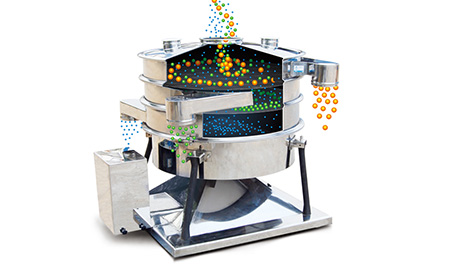
A practical maintenance program for a Tumbler screen should be based on the machine configuration, operating frequency, salt characteristics, cleaning procedures, and manufacturer's recommendations.
1. Why Screen Mesh Condition Matters in Salt Processing
The screen mesh is one of the primary working components of a Tumbler screen. During operation, salt particles repeatedly contact the mesh as material moves across the screening surface.
Over time, the mesh may experience:
- Particle accumulation
- Localized wear
- Tension changes
- Blocked openings
- Damaged wires
- Loose fastening
- Residual material after production
Any noticeable change in mesh condition should be investigated because the screening surface directly participates in particle separation.
Regular inspection provides operators with an opportunity to identify these conditions and determine whether cleaning, adjustment, or replacement is required.
2. Inspect the Mesh Before Starting Production
A simple pre-start inspection can help confirm that the screening decks are ready for operation.
Operators can check:
- Whether the mesh is correctly installed.
- Whether the mesh is properly tensioned.
- Whether there are visible tears or broken wires.
- Whether material remains from the previous production cycle.
- Whether clamps and fixing components are secure.
- Whether the screen surface is visibly deformed.
The inspection should be performed with the equipment safely stopped and isolated according to the site's operating procedures.
A short pre-start check can help prevent an easily identifiable mesh problem from becoming an operating issue.
3. Check Screen Tension Regularly
Screen tension influences the physical condition of the screening surface.
If the mesh becomes loose, its working condition may change. Excessive tension, on the other hand, can also place unnecessary stress on the mesh or its fixing components.
The appropriate tension depends on the screen construction and equipment design. Operators should follow the Tumbler screen manufacturer's recommended installation and tensioning method instead of relying on a universal tension value.
During inspection, look for:
- Visible sagging
- Uneven tension
- Loose clamps
- Displaced fixing components
- Abnormal movement of the mesh
If any of these conditions appear, the machine should be checked before normal production continues.
4. Prevent Material Accumulation on the Screen Surface
Salt residue can accumulate when fine particles become trapped in screen openings or when material remains after production.
Accumulation can reduce the effective open area of the mesh and may change the way material moves across the screening surface.
Cleaning procedures should therefore consider:
- Salt particle size
- Moisture condition
- Screen material
- Mesh opening
- Production schedule
- Hygiene requirements
Cleaning should be carried out using a method compatible with the screen material and the customer's production requirements.
For food-related applications, the cleaning procedure should also follow the facility's applicable hygiene and sanitation protocols.
5. Pay Attention to Moisture During Cleaning and Storage
Salt and moisture can interact with equipment surfaces and residual material. If cleaning involves water or other liquids, the equipment should be dried appropriately before returning to service.
Particular attention can be given to:
- Screen mesh
- Frames
- Material-contact surfaces
- Fasteners
- Seals
- Enclosed areas where moisture may remain
The exact cleaning method should be selected according to the equipment materials and plant sanitation procedures.
For environments where corrosion is a concern, the maintenance plan should also include suitable inspection of exposed metal surfaces.
6. Inspect Screen Frames and Fixing Components
The mesh does not operate independently. It is supported by screen frames and fastening components that maintain the structure of the screening deck.
During maintenance, operators can inspect:
- Screen frames
- Clamps
- Bolts
- Fasteners
- Connecting components
- Sealing elements
Loose or damaged components should be addressed according to the manufacturer's maintenance instructions.
Keeping the screen assembly mechanically secure helps maintain the intended relationship between the mesh and the machine structure.
7. Check Seals Around the Screening Chamber
Enclosed Tumbler screen systems may use seals around covers, frames, and connections.
In salt processing, seals can gradually accumulate fine particles or become worn through repeated operation and cleaning.
Operators should look for:
- Visible gaps
- Damaged sealing material
- Salt accumulation
- Loose seals
- Signs of material leakage
A damaged seal may affect containment and cleanliness around the screening area.
Replacing seals should be based on their actual condition and the equipment manufacturer's recommended parts and procedures.
8. Inspect Bearings and Moving Components
A Tumbler screen contains mechanical components that support its screening movement.
Bearings and other moving parts should be inspected according to the equipment manufacturer's maintenance schedule.
Operators may monitor for changes such as:
- Unusual noise
- Increased vibration
- Abnormal temperature
- Irregular movement
- Lubrication issues
These signs do not necessarily identify one specific fault, so unusual operating conditions should be investigated rather than corrected by guesswork.
Maintenance personnel should follow the equipment manual for lubrication intervals, approved lubricants, inspection procedures, and replacement requirements.
9. Check Fasteners and Structural Connections
Repeated mechanical movement can make fastener inspection an important part of equipment care.
Depending on the machine design, inspection may include:
- Frame connections
- Support structures
- Screen-deck connections
- Motor-related fasteners
- Cover connections
- Other accessible mechanical joints
A maintenance checklist can help ensure that these points are not overlooked during routine inspections.
Any tightening or adjustment should be completed according to the manufacturer's specified procedures and torque requirements where applicable.
10. Monitor Changes in Operating Sound and Movement
Operators who work with the equipment regularly can often notice changes in its normal operating condition.
For example, a change in sound or movement may indicate that an inspection is appropriate.
Instead of waiting until a component fails, operators can record observations such as:
Normal Operation → Change Detected → Equipment Stopped Safely → Inspection → Corrective Action → Verification
This approach can help turn routine operation into an early observation system.
However, sound or vibration alone should not be used to diagnose a specific mechanical problem. Qualified maintenance personnel should determine the cause.
11. Inspect the Motor and Drive System
The drive system provides the mechanical energy required for Tumbler screen operation.
Routine inspection can include:
- Motor condition
- Electrical connections
- Cable condition
- Fasteners
- Drive components
- Abnormal temperature
- Unusual operating noise
Electrical inspection should be performed by appropriately qualified personnel and according to applicable electrical safety requirements.
The maintenance schedule should also follow the motor and Tumbler screen manufacturer's recommendations.
12. Establish Cleaning Procedures for Different Salt Products
A facility may process several salt products using the same screening equipment.
In this situation, cleaning requirements may vary depending on:
- Particle size
- Product formulation
- Moisture
- Production sequence
- Food-contact requirements
- Risk of material carryover
A documented cleaning procedure can help operators maintain a consistent changeover process.
A typical procedure may include:
- Stop material feeding.
- Allow remaining material to leave the machine.
- Safely stop and isolate the equipment.
- Remove accessible residual material.
- Clean the relevant contact surfaces.
- Inspect the screen mesh and seals.
- Reassemble components correctly.
- Confirm equipment condition before restarting.
The exact procedure should be adapted to the machine and plant requirements.
13. Avoid Using Damaged Mesh for Extended Production
A damaged screen should not simply be left in operation without evaluation.
Broken wires, tears, excessive deformation, or other visible damage can change the intended screening surface. In some processes, damaged mesh may also create a risk of unwanted material entering a product fraction.
When damage is identified, maintenance personnel should determine whether the mesh can be repaired according to the manufacturer's instructions or needs replacement.
Replacement mesh should match the intended equipment configuration and screening specification.
14. Keep Replacement Screens and Wear Parts Organized
For production facilities that operate frequently, maintaining appropriate replacement parts can simplify maintenance planning.
Potential spare parts may include:
- Screen mesh
- Sealing components
- Fasteners
- Bearings
- Other manufacturer-specified wear or maintenance parts
The required inventory depends on equipment configuration and operating conditions.
Each spare part can be identified by its applicable machine model or specification to reduce the possibility of installing an unsuitable component.
15. Create a Practical Maintenance Record
A maintenance record can help operators understand how equipment condition changes over time.
Useful information may include:
| Record Item | Example Information |
|---|---|
| Inspection date | Date of routine inspection |
| Screen condition | Clean, worn, damaged, etc. |
| Mesh status | Tension and visible condition |
| Seal condition | Normal or replacement required |
| Mechanical condition | Noise, vibration, fasteners |
| Cleaning | Procedure completed |
| Parts replaced | Component and specification |
| Remarks | Operating observations |
These records can help maintenance personnel identify recurring issues and plan future inspections.
16. Separate Routine Inspection from Corrective Maintenance
Not every maintenance task needs to be performed at the same frequency.
A practical maintenance program can divide tasks into different levels.
Before Operation
- Check screen installation.
- Check visible mesh condition.
- Check covers and accessible connections.
- Confirm that no obvious material residue remains.
During Routine Maintenance
- Inspect mesh tension.
- Check seals and fasteners.
- Inspect moving components.
- Review motor and drive condition.
- Clean relevant areas.
When Abnormal Conditions Appear
- Stop the equipment safely.
- Identify the abnormal condition.
- Inspect the relevant components.
- Repair or replace parts as required.
- Verify normal operation before returning to production.
This layered approach can make maintenance easier to organize.
17. Consider the Salt Processing Environment
Maintenance requirements are influenced by the environment surrounding the equipment.
Factors that may need consideration include:
- Ambient humidity
- Salt dust
- Cleaning methods
- Operating temperature
- Production frequency
- Equipment location
- Exposure to corrosive conditions
For example, equipment installed in a humid environment may require more attention to moisture and corrosion-related conditions than equipment operating in a controlled dry environment.
The maintenance plan should therefore be adapted to the actual installation site.
18. Maintenance Should Follow the Equipment Manual
There is no universal maintenance schedule suitable for every Tumbler screen.
The correct inspection frequency and maintenance method depend on the machine's construction, screen specifications, operating hours, material properties, and site conditions.
Operators should prioritize:
- Manufacturer instructions
- Equipment-specific maintenance intervals
- Applicable safety procedures
- Food-processing hygiene requirements where relevant
- Local regulations
- Actual operating observations
Generic maintenance recommendations should be used as a reference rather than as a replacement for equipment-specific instructions.
19. Gaofu Machinery Tumbler Screen Support
Gaofu Machinery provides screening equipment for powder and granular material applications across food, chemical, mineral, and other industries.
For salt-processing projects, Tumbler screen configurations can be discussed according to the customer's material, screening requirements, production conditions, and equipment layout.
Maintenance considerations can be incorporated into the equipment discussion, including screen access, screen replacement, cleaning arrangements, sealing, component inspection, and routine equipment care.
By considering maintenance requirements during system planning, processors can establish a more practical approach to equipment operation and service management.
Conclusion
Tumbler screen maintenance for salt processing involves more than cleaning the machine after production. Screen mesh condition, tension, screen frames, seals, fasteners, bearings, drive components, and the surrounding operating environment all deserve appropriate attention.
For fine, granular, and coarse salt applications, maintenance procedures should reflect the actual material and operating conditions. Regular inspection can help identify visible wear, material accumulation, loose components, or other conditions that require attention.
A structured maintenance program—supported by equipment-specific instructions, appropriate cleaning procedures, inspection records, and timely replacement of worn components—can help keep the Tumbler screen aligned with the intended screening process.
Gaofu Machinery can provide equipment information and technical communication for customers evaluating Tumbler screen solutions for salt and other powder or granular materials. The final maintenance schedule and procedures should be established according to the specific equipment configuration, operating environment, and applicable requirements.