

Choosing a Feeding System for Flour Sieve Applications Based on Material Characteristics and Production Requirements
Post Date: 2026-09-11
Selecting a suitable Feeding system for a flour sieve application requires more than considering the rated capacity of the equipment. Flour can vary in particle size, moisture content, bulk density, flowability, and processing behavior. At the same time, production lines may have different requirements for material supply, operating schedules, equipment layout, cleaning, and downstream processing.
A suitable Feeding system should therefore be evaluated according to both material characteristics and production requirements. By understanding these factors before equipment selection, flour processors can develop a feeding arrangement that is better aligned with their actual process conditions.
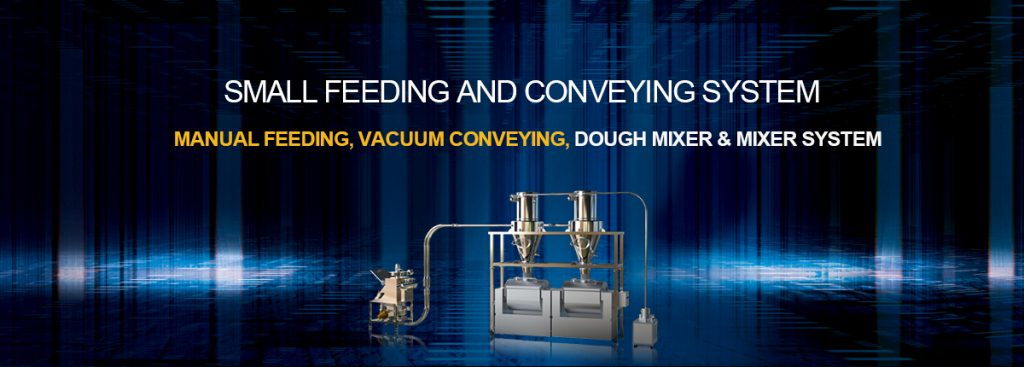
Gaofu Machinery provides customized Feeding system solutions that can be considered for flour sieving and other powder-processing applications.
1. Start with the Characteristics of the Flour
Different flour materials do not necessarily behave in the same way during handling. Before selecting a Feeding system, manufacturers should identify the physical properties of the material being processed.
Important parameters may include:
- Particle size distribution
- Moisture content
- Bulk density
- Flowability
- Cohesiveness
- Tendency to bridge or form an arch
- Surface adhesion
- Sensitivity to contamination
- Required screening particle size
These properties can influence the selection of hoppers, feeding mechanisms, conveying methods, and discharge arrangements.
For example, a powder with relatively good flowability may behave differently from a cohesive fine powder. If the material has a tendency to form bridges inside a hopper, the feeding arrangement may require additional engineering considerations.
Material testing or practical process data can be useful when the material behavior is uncertain.
2. Consider the Required Production Capacity
Production capacity is another important factor when selecting a Feeding system for a flour sieve.
The target throughput should be considered together with:
- Hourly production requirements
- Operating hours per day
- Batch or continuous operation
- Upstream material availability
- Flour sieve capacity
- Downstream processing capacity
- Expected production fluctuations
The Feeding system should be evaluated as part of the complete process rather than selected only according to its maximum nominal capacity.
If the feeding equipment supplies material at a rate that does not correspond appropriately with the screening equipment, the overall process may not operate as intended.
A practical selection therefore starts with the actual production target and then considers the appropriate feeding configuration.
3. Evaluate Flour Flowability
Flowability is particularly relevant when handling fine flour and powder materials.
Materials with relatively poor flowability may accumulate inside a hopper or transfer section. Depending on the material properties and equipment design, this can contribute to interrupted material discharge.
When evaluating a Feeding system, manufacturers may consider:
- Hopper geometry
- Outlet dimensions
- Internal surface conditions
- Feeding mechanism
- Material residence time
- Possible bridging behavior
- Cleaning requirements
The appropriate solution depends on the actual flour characteristics. There is no single hopper or feeding configuration suitable for every powder.
For difficult-flowing materials, additional flow-assistance measures may be considered as part of the overall equipment design.
4. Match the Feeding Method to the Material Supply
The way flour arrives at the processing line also affects Feeding system selection.
Common supply situations may include:
Bagged Material → Bag Unloading → Feeding System → Flour Sieve
or:
Bulk Bag → Big Bag Feeding Station → Material Transfer → Flour Sieve
Another arrangement may use enclosed powder conveying before the flour sieve.
The appropriate method depends on the source of the material, production scale, available space, required handling method, and desired degree of process enclosure.
For manufacturers processing bulk flour, a customized Feeding system can help connect the material supply stage with the screening stage according to the plant layout.
5. Consider Batch Production Versus Continuous Processing
Production mode can significantly influence the feeding configuration.
Batch Processing
Batch production may require:
- Temporary material storage
- Controlled batch loading
- Easy product changeover
- Convenient cleaning access
- Flexible equipment operation
The Feeding system can be designed around the quantity and frequency of each batch.
Continuous Processing
Continuous production may place greater emphasis on:
- Stable material supply
- Appropriate storage volume
- Equipment coordination
- Continuous discharge
- Monitoring and operational control
The selection should reflect the actual production method rather than assuming that a continuous configuration is appropriate for every flour-processing facility.
6. Take Hopper Design into Account
The hopper is often an important part of a Feeding system because it provides a transition between material storage and controlled discharge.
Hopper selection should consider:
- Hopper volume
- Material bulk density
- Powder flowability
- Outlet configuration
- Installation height
- Cleaning access
- Internal geometry
- Connection with upstream equipment
A hopper that is too large may increase material residence time, while an unsuitable outlet arrangement may make powder discharge more difficult.
For fine flour, the hopper design should be evaluated together with the material's tendency to compact, bridge, or adhere to surfaces.
7. Assess Space and Installation Conditions
A technically suitable Feeding system also needs to fit the available production environment.
Before ordering equipment, manufacturers can measure:
- Available floor space
- Equipment height
- Ceiling clearance
- Inlet and outlet elevations
- Existing conveyor positions
- Maintenance space
- Operator access
- Electrical and pneumatic requirements where applicable
A compact factory layout may require a different configuration from a large automated production facility.
For retrofit projects, the existing flour sieve and surrounding equipment should be measured before designing the Feeding system.
8. Consider Cleaning and Product Changeover
Flour-processing facilities may handle different grades or powder products. In such cases, cleaning and product changeover can become important equipment-selection factors.
The Feeding system should be evaluated for:
- Accessibility of material-contact areas
- Ease of component removal
- Residue-prone areas
- Cleaning method
- Inspection requirements
- Changeover frequency
For food-processing applications, the final equipment configuration should also be evaluated against the applicable hygiene, food-contact, and plant sanitation requirements.
The appropriate cleaning approach depends on the facility's production procedures and the specific materials being processed.
9. Evaluate Dust and Safety Requirements
Fine flour can generate airborne particles during loading and transfer. Consequently, dust management should be considered when selecting a Feeding system.
Possible considerations include:
- Enclosed material transfer
- Sealing at connection points
- Dust collection
- Ventilation
- Grounding
- Electrical equipment selection
- Operator exposure
- Cleaning procedures
Where combustible dust hazards may exist, the complete installation should be evaluated according to applicable local regulations, plant risk assessments, and relevant explosion-protection requirements.
A Feeding system should therefore be selected as part of the facility's broader safety strategy rather than considered independently.
10. Compare Feeding System Options by Application
Different production conditions may lead to different equipment choices.
| Production Condition | Feeding System Considerations |
|---|---|
| Bagged flour | Bag unloading and controlled material discharge |
| Bulk-bag flour | Big Bag Feeding Station with suitable discharge arrangement |
| Fine cohesive powder | Hopper and discharge design should account for flow behavior |
| Large-volume production | Storage and feeding capacity should match the process |
| Batch production | Flexible loading and cleaning arrangements |
| Continuous production | Material supply and equipment coordination should be evaluated |
| Food processing | Sanitation and material-contact requirements should be considered |
| Dust-sensitive environment | Enclosure, sealing, ventilation, and dust collection may be required |
This comparison illustrates why Feeding system selection should be based on the actual process instead of simply choosing the largest available machine.
11. Match the Feeding System with the Flour Sieve
Once the material and production requirements have been identified, the Feeding system should be evaluated together with the flour sieve.
The key relationship can be represented as:
Material Characteristics → Feeding Method → Feeding System → Flour Sieve → Downstream Process
The Feeding system needs to deliver material through an arrangement that is compatible with the sieve inlet and the intended screening process.
Factors such as material properties, expected throughput, equipment dimensions, screening requirements, installation conditions, and maintenance access should be considered together.
This approach can help reduce the risk of selecting individual machines that are technically suitable on their own but difficult to combine into a practical production line.
12. Why Consider a Customized Feeding System from Gaofu Machinery?
Gaofu Machinery develops Feeding system solutions for powder and bulk-material processing applications. For flour sieve projects, the equipment configuration can be considered according to the material, production requirements, plant layout, and connection conditions.
Depending on the application, a solution may incorporate different feeding, conveying, storage, and screening components.
The engineering discussion can include:
- Material characteristics
- Required throughput
- Feeding method
- Flour sieve configuration
- Hopper requirements
- Equipment layout
- Cleaning considerations
- Dust-management requirements
- Operation and maintenance conditions
This process allows the Feeding system to be developed around the customer's production conditions rather than relying on a one-size-fits-all configuration.
Conclusion
Choosing a Feeding system for flour sieve applications requires a systematic evaluation of both material characteristics and production requirements.
Flour flowability, bulk density, moisture, cohesiveness, production capacity, operating mode, material supply method, hopper design, installation space, cleaning procedures, and safety conditions can all influence the appropriate configuration.
By evaluating these factors before equipment selection, flour processors can establish a Feeding system that is better matched to their screening process and overall production environment.
For customized flour-processing projects, Gaofu Machinery can provide technical communication and Feeding system configurations based on specific material and process requirements. Final equipment selection should be confirmed according to actual operating conditions and applicable industry standards.