

Feeding System Automation for Sieving Machine Lines: Considerations for Powder Transfer, Dosing, and Process Control
Post Date: 2026-08-18
Introduction
With the development of automated powder-processing industries, production lines increasingly require coordinated operation between material supply, screening, conveying, and collection equipment. A sieving machine is an important part of powder classification and separation processes, but its performance is closely connected with the material supply conditions before screening.
A Feeding system with automation functions can help organize powder transfer, coordinate material supply, and connect different process stages within a production line. Through appropriate configuration, manufacturers can develop a more structured workflow for applications in food, chemical, pharmaceutical, mineral, and other powder-processing industries.
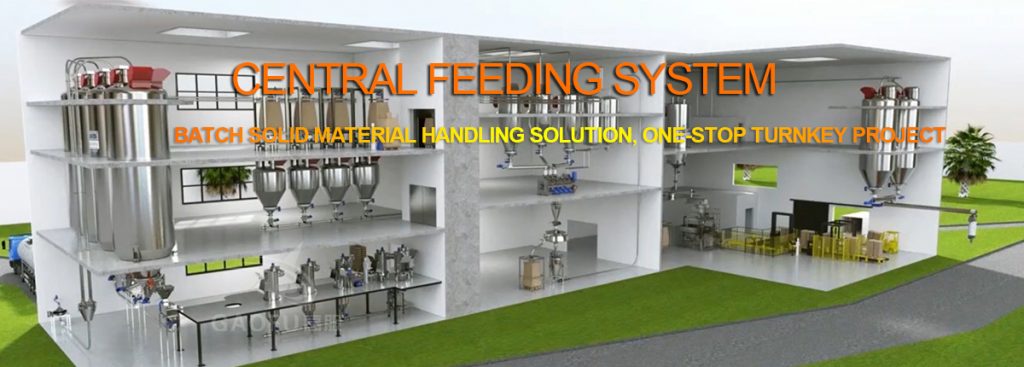
This article discusses the key considerations when applying Feeding system automation in sieving machine production lines, including powder transfer, dosing control, equipment communication, and process management.
1. The Role of Automation in Sieving Machine Production Lines
A traditional powder-processing line may require manual material loading and adjustment between different stages. Automated Feeding systems introduce additional control methods to help coordinate material movement.
A typical automated workflow:
Material Storage → Automated Feeding System → Sieving Machine → Collection / Further Processing
The Feeding system can serve several functions:
- Controlled material supply
- Coordinated equipment operation
- Reduced manual intervention requirements
- Improved production-line organization
- Easier process monitoring
The actual results depend on system design, material properties, and operating conditions.
2. Understanding Automated Feeding System Structure
An automated Feeding system may include several functional sections:
- Material receiving unit
- Feeding mechanism
- Flow-control components
- Sensors and monitoring devices
- Control cabinet
- Connection interface with other equipment
Each component contributes to the overall operation of the powder-processing system.
A common control sequence is:
Material Available → Feeding Signal → Controlled Transfer → Sieving Operation → Collection
The specific configuration should be selected according to the production process.
3. Automated Powder Transfer Before Sieving
Powder transfer is one of the main considerations when integrating a Feeding system with a sieving machine.
The system design should evaluate:
- Material source
- Transfer distance
- Powder flow characteristics
- Required feeding frequency
- Production capacity
Common transfer methods include:
Hopper Feeding
Process:
Storage Hopper → Feeding System → Sieving Machine
Suitable when materials are stored in a fixed location before screening.
Big Bag Material Feeding
Process:
Big Bag Feeding Station → Feeding System → Sieving Machine
Suitable for bulk material unloading applications.
Vacuum Transfer Integration
Process:
Vacuum Feeder → Sieving Machine
Suitable when enclosed powder conveying is considered appropriate.
The suitable method depends on the material and production environment.
4. Dosing Control Considerations in Feeding Systems
In some applications, controlling the amount of material entering the sieving machine is an important part of process planning.
Automated dosing may involve:
- Feeding speed adjustment
- Material-level monitoring
- Weight-based control
- Time-based feeding
- Production sequence coordination
The purpose of dosing control is to provide material supply according to the process requirements.
When designing a dosing system, consider:
- Material density
- Powder flow behavior
- Required output
- Screening capacity
- Production cycle
Different materials may require different feeding strategies.
5. Matching Feeding Automation with Sieving Machine Capacity
The Feeding system and sieving machine should be considered as connected units.
A basic relationship:
Feeding Capacity ↔ Screening Capacity ↔ Collection Capacity
If the feeding rate and screening capacity are not properly coordinated, adjustments may be needed during production.
When matching equipment, evaluate:
- Material characteristics
- Screen size
- Number of screening layers
- Production requirements
- Operating conditions
The correct configuration depends on the complete system design.
6. Automation with Rotary Vibrating Sieve Applications
A rotary vibrating sieve is commonly used for powder screening and classification.
A possible automated process:
Material Storage → Automated Feeding System → Rotary Vibrating Sieve → Product Collection
The Feeding system configuration should consider:
- Screen inlet arrangement
- Material distribution
- Feeding stability
- Cleaning requirements
- Equipment layout
For different powders, the feeding approach may require adjustment based on flow behavior and process objectives.
7. Automation with Fine Powder Screening Applications
Fine powders may require careful control during material transfer.
Examples include:
- Flour
- Starch
- Sugar powder
- Protein powder
- Chemical powders
Potential considerations:
- Controlled feeding speed
- Enclosed transfer
- Cleaning accessibility
- Material-contact requirements
- Production consistency
The Feeding system should be designed according to the specific material and screening process.
8. Process Control Between Feeding and Screening Equipment
Automation allows different machines in a production line to communicate with each other.
Possible process-control functions include:
Start/Stop Coordination
Example:
Sieving Machine Ready → Feeding System Starts
Material Supply Monitoring
Example:
Low Material Level → Feeding Request
Production Sequence Control
Example:
Previous Process Complete → Feeding Begins
The actual control method depends on the factory automation requirements.
9. Sensor Applications in Automated Feeding Systems
Sensors can provide information for process management.
Common monitoring points may include:
Material Level
Helps operators understand material availability.
Equipment Status
Provides operation feedback.
Feeding Condition
Supports process adjustment.
System Alarms
Provides notifications when abnormal conditions occur.
The selection of sensors depends on the application requirements.
10. Connecting Feeding Automation with Upstream Equipment
Automated Feeding systems may connect with various upstream machines.
Examples:
Storage Systems
Storage Tank → Feeding System → Sieving Machine
Mixing Equipment
Mixer → Feeding System → Sieving Machine
Grinding Equipment
Crusher / Grinder → Feeding System → Sieving Machine
The Feeding system should match the output characteristics of upstream equipment.
11. Connecting Feeding Automation with Downstream Equipment
After screening, materials may continue to other production stages.
Possible downstream equipment includes:
- Collection containers
- Packaging systems
- Filling equipment
- Mixing systems
- Storage vessels
A complete automated process may be:
Feeding System → Sieving Machine → Collection → Packaging
The downstream connection should be considered during the initial engineering stage.
12. Food Industry Applications of Automated Feeding Systems
Food manufacturers often require organized powder handling.
Common materials include:
- Flour
- Milk powder
- Sugar
- Starch
- Cocoa powder
- Food additives
Automation considerations may include:
- Material traceability
- Cleaning procedures
- Production scheduling
- Product changeover
The final equipment configuration should meet the requirements of the specific production environment.
13. Chemical and Industrial Powder Applications
Chemical and industrial powder lines may involve materials such as:
- Ceramic powder
- Mineral powder
- Chemical additives
- Industrial fillers
When designing automated Feeding systems, consider:
- Material compatibility
- Abrasion characteristics
- Moisture conditions
- Temperature conditions
- Safety requirements
For special materials, the complete system should be evaluated according to applicable standards.
14. Enclosed Feeding Automation for Powder Control
Some powder-processing applications may require enclosed transfer arrangements.
A possible structure:
Material Source → Enclosed Feeding System → Sieving Machine → Collection
Potential advantages of enclosed design may include:
- More controlled material transfer
- Reduced exposure of powder to the surrounding environment
- Easier integration with automated production lines
The actual system performance depends on the overall equipment design and operating conditions.
15. Data Monitoring and Production Management
Modern automated production lines may include data-management functions.
Possible monitoring information includes:
- Feeding status
- Equipment operation status
- Production parameters
- Maintenance records
Data collection methods depend on the factory’s automation system and management requirements.
16. Maintenance Considerations for Automated Feeding Systems
Automation does not eliminate the need for maintenance.
Regular inspection may include:
Mechanical Components
Check:
- Feeding parts
- Connection sections
- Wear areas
Control Components
Check:
- Sensors
- Electrical connections
- Control signals
Material Transfer Areas
Check:
- Powder accumulation
- Sealing conditions
- Cleaning status
Maintenance procedures should follow equipment recommendations and actual working conditions.
17. Key Factors When Selecting an Automated Feeding System
Before choosing a Feeding system configuration, evaluate:
Material Factors
- Powder type
- Particle size
- Density
- Flow characteristics
- Moisture content
Production Factors
- Required capacity
- Operating mode
- Screening requirements
- Process sequence
Automation Factors
- Control level
- Monitoring requirements
- Equipment communication
Layout Factors
- Installation space
- Transfer distance
- Maintenance access
A complete evaluation helps create a suitable production-line solution.
18. Gaofu Feeding System for Automated Sieving Lines
The Gaofu Feeding System can be configured for powder-processing lines requiring coordinated material supply before screening.
It can be integrated with:
- Rotary Vibrating Sieves
- Centrifugal Sifters
- Ultrasonic Vibrating Screens
- Linear Vibrating Screens
- Vacuum Feeders
- Big Bag Feeding Stations
Configuration options can be evaluated according to:
- Material characteristics
- Feeding requirements
- Production capacity
- Screening objectives
- Automation needs
- Factory layout
This allows manufacturers to connect feeding, screening, and downstream processes within one production workflow.
Why Choose Gaofu Machinery?
Gaofu Machinery provides powder-processing solutions covering:
- Sieving equipment
- Feeding systems
- Conveying systems
- Filtration equipment
- Customized screening solutions
Products include:
- Feeding Systems
- Vacuum Feeders
- Big Bag Feeding Stations
- Rotary Vibrating Sieves
- Centrifugal Sifters
- Filtration Sieves
- Linear Vibrating Screens
- Ultrasonic Vibrating Screens
Equipment selection should be based on actual application conditions, material properties, and production requirements.
Conclusion
Automation in a Feeding system can help connect material transfer, dosing, and process control within sieving machine production lines. By considering powder characteristics, feeding methods, equipment communication, capacity matching, and maintenance requirements, manufacturers can develop a more coordinated material-handling workflow.
A practical design approach includes:
Analyze Material → Select Feeding Configuration → Integrate Sieving Machine → Configure Process Control → Plan Maintenance
The Gaofu Feeding System provides flexible integration possibilities for powder-processing applications, helping manufacturers design production lines suited to their specific operational needs.