

The Evolution of Sifting Technology: Upgrading from Manual Methods to a Vibrating Screen Flour Sifter
Post Date: 2026-06-09
The Evolution of Sifting Technology: Upgrading from Manual Methods to a Vibrating Screen Flour Sifter
For thousands of years, the core principle of milling grain has remained unchanged: breaking down seeds into a fine, bakeable powder. However, the technology used to refine that powder has undergone a massive transformation. In early agricultural societies, sifting was an entirely manual, labor-intensive process that utilized hand-woven mesh baskets to separate coarse husks from fine flour.
As the food processing industry scaled up during the industrial era, manual methods quickly became an operational bottleneck. Today, modern high-volume food facilities require automated, high-precision processing systems.
Upgrading from legacy manual or low-capacity mechanical methods to an advanced vibrating screen, specifically the industrial Rotary Vibrating Sieve, represents a major milestone in production efficiency, workplace safety, and quality assurance.
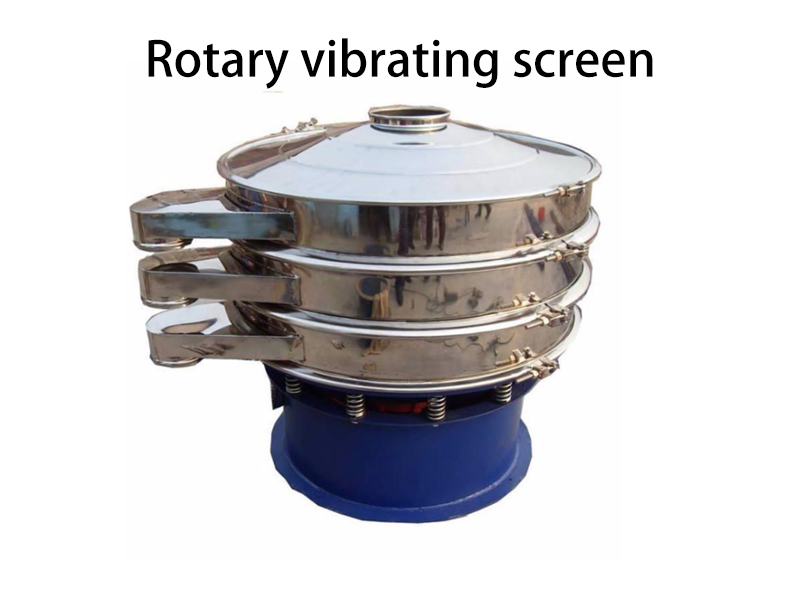
As shown in the equipment engineering profile above, modern processing relies on a completely enclosed stainless steel architecture. The white cleaning rings situated beneath the screen surface move dynamically during operation to prevent fine flour particles from clogging the mesh apertures—a mechanical innovation unavailable in traditional sifting setups.
The Operational Limits of Manual and Legacy Sifting
Relying on manual labor or basic, non-vibratory mechanical sifters introduces significant operational risks and limitations to a modern food processing line.
- Inconsistent Product Quality: Manual sifting relies entirely on the operator's physical energy and speed. As fatigue sets in over a shift, the rate of material processing changes, which can lead to inconsistent aeration and uneven particle distribution in the final batch.
- Sanitation and Contamination Risks: Open sifting methods expose the raw flour directly to the surrounding factory environment. This increases the risk of airborne dust, hair, debris, or insects entering the ingredient stream, complicating compliance with global food safety standards like HACCP.
- Workplace Dust Hazards: When flour is shaken or dropped openly, it generates significant airborne particulate matter. This creates a challenging respiratory environment for factory staff and increases the risk of dust explosions, which require strict mitigation under ATEX and local safety regulations.
- High Labor Costs and Low Throughput: Hand-sifting or small motorized sifters require continuous human monitoring and manual feeding, limiting a facility’s ability to process ingredients at high volumes.
The Automated Solution: The Rotary Vibrating Sieve
Upgrading to an automated Rotary Vibrating Sieve addresses these challenges by replacing manual effort with high-frequency, three-dimensional mechanical vibration. Driven by an integrated vertical vibration motor with customizable eccentric weights, the machine moves flour across the screen deck in a continuous, outward spiral pattern.
The table below outlines the core operational differences between legacy processing methods and modern vibrating screen technology:
| Operational Parameter | Manual / Traditional Sifting Methods | Automated Rotary Vibrating Sieve |
| Hourly Throughput | Limited by human endurance; typically less than 50 kg/h per station. | Scalable continuous processing; capable of handling up to several tons per hour based on model size. |
| Material Containment | Often open or semi-enclosed; high ambient dust generation. | Fully enclosed with food-grade silicone seals; dust-tight operation. |
| Contamination Defense | Relies on visual inspection by the operator; high risk of human error. | Positive mechanical isolation; 100% of material must pass through calibrated mesh apertures. |
| Labor Allocation | Requires dedicated, continuous manual operation and material handling. | Automated inline integration; requires only periodic maintenance checks. |
The Strategic Process for Upgrading Your Production Line
Transitioning an existing facility from manual handling to an automated screening line requires systematic planning to ensure seamless integration with existing blenders, silos, or packaging machinery.
1.Audit Current Material Flows and Throughput Demands:Operational Assessment.
Document your exact hourly flour consumption, the types of flour processed (e.g., standard wheat, high-fat, or gluten-free), and the physical space available where the current manual sifting occurs.
2.Configure the Sieve Specifications with a Gaofu Engineer:Technical Matching.
Select the proper machine diameter and motor power based on your target capacity. At this stage, determine if your flour requires standard silicone bouncing balls or an ultrasonic de-blinding system to maintain consistent throughput.
3.Install the Sieve into the Material Conveying Line:Physical Integration.
Mount the Rotary Vibrating Sieve inline. It can be positioned directly beneath bulk bag unloaders, inside pneumatic vacuum conveying lines, or immediately upstream from your primary mixing tanks.
4.Establish Routine Cleaning and Inspection Protocols:Quality Validation.
Train operators on using the machine's quick-release clamps for fast tool-free disassembly. Set up a regular validation schedule to inspect the screen mesh for structural wear and verify seal integrity.
Industrial Insight: Automated sifting does more than just filter out foreign materials; it actively conditions the flour. The high-frequency vibration separates tightly packed flour particles, injecting air into the material stream. This increased aeration leads to faster, more uniform hydration when the flour meets liquid ingredients in the mixer.
By moving away from manual sifting methods and adopting robust, enclosed vibrating screen technology, processing facilities can reduce labor dependencies, lower workplace safety risks, and ensure their production lines deliver a consistent, compliant product at scale.
To help plan your production line upgrade.