

Understanding Material Feeding Methods for Flour Sieve Applications in Food Processing Facilities
Post Date: 2026-09-11
In food-processing facilities, flour and other powdered ingredients need to be transferred to screening equipment in a way that fits the production process. The feeding method selected before a flour sieve can influence how material is loaded, transferred, enclosed, and supplied to the screening stage.
There is no single feeding method suitable for every food-processing application. Bagged flour, bulk-bag ingredients, silo-stored powders, and manually supplied materials may require different approaches. Production scale, material characteristics, hygiene procedures, available space, and operating mode should all be considered when planning the Feeding system.
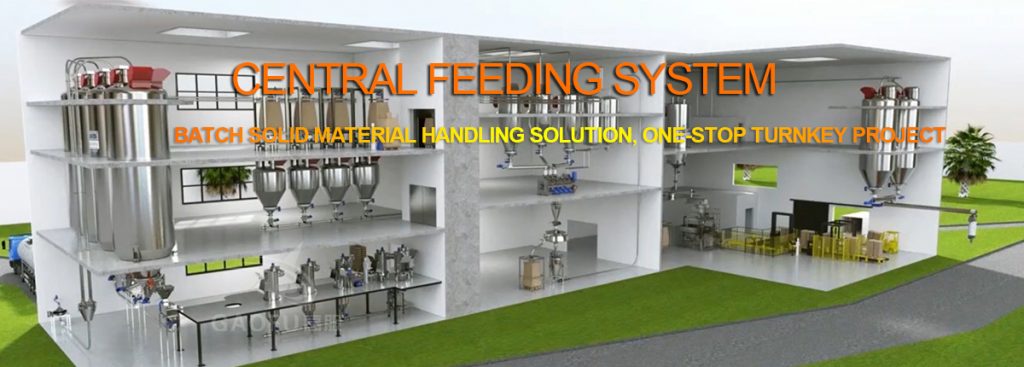
Understanding the main feeding methods can help food manufacturers identify a configuration that is appropriate for their specific flour sieve application.
1. Why the Feeding Method Matters
The feeding method determines how material moves from its storage or supply point toward the flour sieve.
A simplified process is:
Material Supply → Feeding Method → Feeding System → Flour Sieve → Collection
Each stage has a different function.
The feeding method addresses how the material enters the handling process, while the Feeding system manages the subsequent transfer toward the screening equipment.
An appropriate arrangement should consider the characteristics of the material and the requirements of the complete production process.
2. Manual Bag Feeding
Manual bag feeding can be used in smaller-scale or batch-oriented food-processing applications where flour or ingredients are supplied in individual bags.
A typical route may be:
Ingredient Bag → Manual Loading → Hopper/Feeding System → Flour Sieve
This method can be suitable when production volumes are moderate or when operators need flexibility between different materials.
When designing such an arrangement, manufacturers may consider:
- Bag size and weight
- Operator working height
- Hopper dimensions
- Loading frequency
- Dust management
- Cleaning access
- Product changeover requirements
Manual feeding does not necessarily mean that the downstream screening process must also be manual. A Feeding system can be used to organize material transfer between the loading point and the flour sieve.
3. Big Bag Feeding
For facilities handling larger quantities of flour or powdered ingredients, bulk bags can provide an alternative material-supply method.
The process may be arranged as:
Big Bag → Big Bag Feeding Station → Feeding System → Flour Sieve
A Big Bag Feeding Station can provide a dedicated location for receiving and discharging bulk bags before the material enters the subsequent feeding process.
This arrangement may be considered when manufacturers want to reduce the frequency of handling individual small bags and establish a more suitable bulk-material workflow.
Important considerations include:
- Bulk-bag dimensions
- Material discharge characteristics
- Bag support requirements
- Feeding capacity
- Dust containment
- Cleaning procedures
- Available installation height
The final configuration should be matched to the actual bulk material and production environment.
4. Hopper-Based Feeding
A hopper can serve as an intermediate storage and feeding point between an upstream material source and the flour sieve.
For example:
Storage → Hopper → Feeding System → Flour Sieve
The hopper provides temporary material storage and can separate the timing of material delivery from the subsequent feeding operation.
Hopper design should take into account:
- Storage volume
- Powder bulk density
- Flowability
- Outlet size
- Wall geometry
- Material residence time
- Cleaning requirements
For fine flour or cohesive powders, engineers should evaluate whether the material may bridge, compact, or adhere to internal surfaces.
Additional flow-assistance measures may be considered when material behavior requires them.
5. Silo-to-Feeding Methods
Large food-processing plants may store flour or powdered ingredients in silos.
A possible process is:
Silo → Discharge Equipment → Feeding System → Flour Sieve
This method can support larger-scale material handling where the storage and production systems are designed for bulk operation.
When connecting silo discharge with a Feeding system, engineers may evaluate:
- Silo outlet configuration
- Material discharge behavior
- Transfer distance
- Feeding capacity
- Intermediate storage requirements
- Maintenance access
- Dust-management arrangements
The feeding equipment should be compatible with the silo discharge conditions and the requirements of the flour sieve.
6. Vacuum Conveying as a Powder Feeding Method
Vacuum conveying can be considered for applications where powdered ingredients need to be transferred through an enclosed conveying route.
A possible process is:
Powder Source → Vacuum Feeder → Feeding/Transfer Stage → Flour Sieve
This method can be useful in production environments where powder needs to move between different elevations or equipment positions without relying on open manual transfer.
When considering vacuum conveying, manufacturers may evaluate:
- Powder characteristics
- Conveying distance
- Required throughput
- Pipeline arrangement
- Filter configuration
- Cleaning requirements
- Receiving equipment
- Plant layout
The vacuum conveying configuration should be designed according to the material and the complete process rather than selected only by conveying capacity.
7. Screw-Based Feeding
A screw feeder or screw conveyor may be considered for certain powder-handling applications where controlled mechanical transfer is appropriate.
The general route can be:
Storage Hopper → Screw Feeding Equipment → Flour Sieve
Screw-based feeding can provide a defined mechanical transfer route between equipment.
Selection may involve evaluating:
- Screw diameter
- Screw speed
- Material characteristics
- Conveying distance
- Inclination
- Required capacity
- Cleaning requirements
Not every flour application requires a screw-based system. Fine powders with different flow properties may behave differently, so the actual material should be evaluated before final equipment selection.
8. Gravity-Assisted Feeding
Where the plant layout permits sufficient elevation difference, gravity can be incorporated into the material-feeding route.
For example:
Upper Storage → Discharge → Feeding System → Flour Sieve
Gravity-assisted transfer can reduce the need for certain conveying stages in suitable layouts.
However, gravity feeding depends strongly on:
- Equipment elevation
- Hopper geometry
- Material flowability
- Outlet configuration
- Required feeding control
- Available space
A gravity-based arrangement should not be assumed suitable simply because the material is a powder. The material's flow behavior and the required process conditions should be evaluated first.
9. Compare Feeding Methods by Application
Different food-processing conditions may lead to different feeding arrangements.
| Feeding Method | Typical Application Considerations |
|---|---|
| Manual bag feeding | Small or batch production, flexible material changes |
| Big Bag feeding | Bulk ingredients and larger material quantities |
| Hopper feeding | Intermediate storage and controlled discharge |
| Silo feeding | Large-scale bulk powder storage |
| Vacuum conveying | Enclosed powder transfer between process stages |
| Screw feeding | Mechanical transfer of suitable powder materials |
| Gravity-assisted feeding | Layouts with appropriate elevation differences |
This table is a starting point rather than a universal selection rule. Actual equipment configuration should be based on material properties, production requirements, plant layout, and applicable food-processing standards.
10. Consider Food Hygiene During Feeding
Food-processing facilities need to consider hygiene throughout the material-contact route.
The Feeding system and associated components may be exposed to flour or other food ingredients. Relevant considerations can include:
- Material-contact surface selection
- Accessible internal areas
- Residue management
- Cleaning procedures
- Inspection access
- Sealing arrangements
- Product changeover
The appropriate sanitary design depends on the product, processing environment, cleaning method, and applicable regulations.
Manufacturers should establish cleaning and sanitation procedures according to their own food-safety management system.
11. Consider Cross-Contamination During Product Changes
A food facility may process multiple flour grades or powdered ingredients using the same production area.
In this situation, the feeding method can affect product changeover procedures.
For example, equipment with multiple material-contact areas may require additional cleaning or inspection between products.
The design can therefore take into account:
- Changeover frequency
- Number of materials processed
- Equipment accessibility
- Cleaning time
- Residue-prone areas
- Dedicated versus shared equipment
Where cross-contamination is a concern, the complete material-handling route should be reviewed rather than focusing only on the flour sieve.
12. Dust Management During Material Feeding
Fine flour particles can become airborne during bag opening, bulk-bag discharge, hopper filling, and powder transfer.
Depending on the process, a Feeding system may incorporate enclosed transfer sections, suitable seals, covers, and connections to dust-collection equipment.
Dust management may involve several parts of the facility, including:
Loading → Feeding → Conveying → Flour Sieve → Discharge
For flour dust that may present a combustible-dust hazard, the complete installation should be assessed according to applicable regulations, plant risk assessments, and relevant safety requirements.
A particular feeding method should therefore be evaluated as part of the facility's overall dust and safety strategy.
13. Choosing a Method for Different Production Modes
Production mode is another useful way to compare feeding methods.
Small-Batch Food Production
Manual bag loading or a compact hopper-based Feeding system may be considered where flexibility is important.
Medium-Scale Processing
A hopper, mechanical feeder, or conveying system may be combined with the flour sieve depending on the material and process.
Large-Scale Bulk Processing
Big Bag Feeding Stations, silos, conveying equipment, and customized Feeding systems may be considered for larger material volumes.
The objective is to match the feeding method to the actual production model rather than automatically selecting the most complex system.
14. How Gaofu Machinery Supports Flour Feeding Applications
Gaofu Machinery provides Feeding system solutions for powder-processing applications, including configurations that can be considered for flour screening processes.
Depending on the customer's production conditions, the Feeding system may be designed around different material-supply methods, including bag handling, bulk-bag discharge, hopper feeding, and powder conveying.
Technical evaluation can consider:
- Material supply method
- Flour characteristics
- Required capacity
- Feeding distance
- Equipment arrangement
- Flour sieve requirements
- Cleaning procedures
- Dust-management needs
- Installation conditions
The appropriate solution should be confirmed through technical evaluation based on actual material properties and production requirements.
Conclusion
Material feeding is an important stage before flour enters a screening machine. Manual bag feeding, Big Bag feeding, hopper-based feeding, silo discharge, vacuum conveying, screw-based transfer, and gravity-assisted feeding can each be considered under different production conditions.
The right choice depends on the material, production scale, operating mode, plant layout, hygiene requirements, and safety conditions.
Rather than choosing a Feeding system based on a single parameter, food manufacturers can evaluate the complete material route from supply to screening. This approach helps establish a feeding arrangement that is compatible with the flour sieve and the wider production process.
Gaofu Machinery can provide customized Feeding system configurations for flour and other powder-processing applications, with the final equipment arrangement determined according to specific material, process, and site requirements.